Author: Aarohan Sharma Blogs

  • Ways To Boost Productivity in 2025 By Transforming Workflows With These Top AI Tools

    Ways To Boost Productivity in 2025 By Transforming Workflows With These Top AI Tools

    Introduction

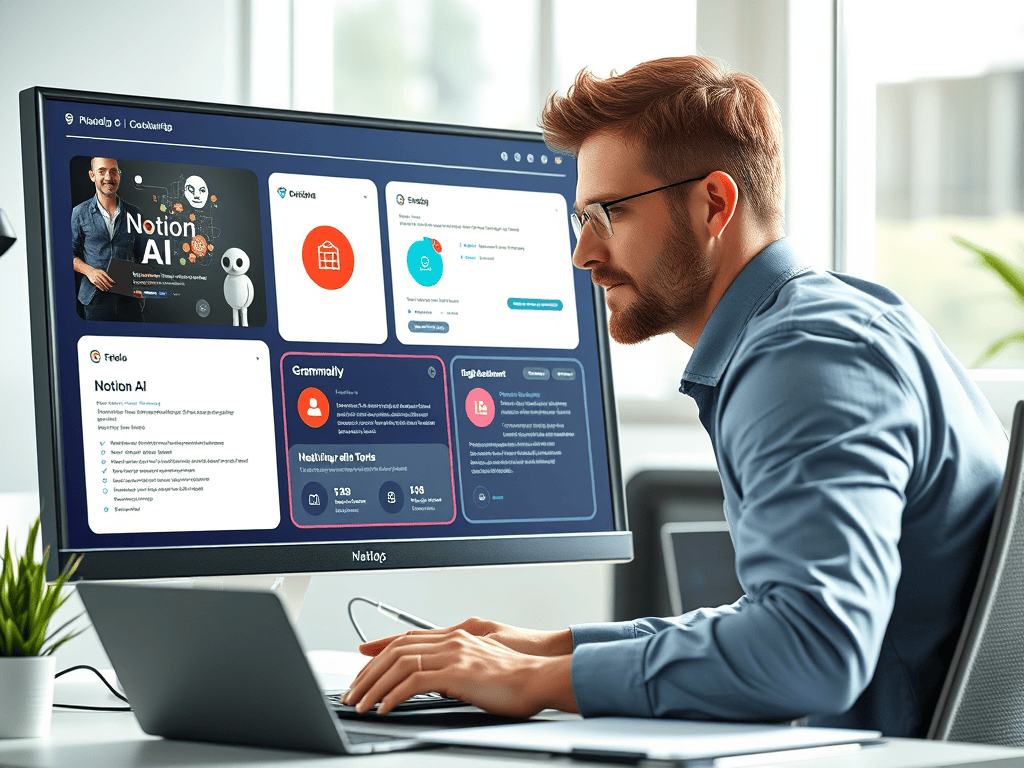
    We all are living in a world flooded with AI-powered productivity tools today. That’s progressing in a fast-paced digital landscape, staying productive is more challenging than ever. With the rise of remote work and the constant influx of information, professionals are seeking innovative solutions to streamline their tasks. Enter these tools, which are revolutionizing the way we work by automating routine tasks, enhancing decision-making, and fostering collaboration.

    ai-productivity-tools

    The Rise of AI in Productivity

    Artificial intelligence (AI) has transitioned from a futuristic concept to an integral part of our daily workflows. From managing emails to scheduling meetings, the market is now flooded with the best AI tools for remote work designed to handle the Ad-hock and repetitive tasks. They further allow professionals to focus on more strategic activities.

    Top AI Tools Enhancing Productivity

    • Grammarly: As we take a step beyond the grammar checks, Grammarly’s AI provides other features like tone suggestions and clarity improvements, ensuring effective communication in the content.
    • Otter.ai: This is another efficient tool that helps to transcribe meetings in real-time. Thus, offering searchable transcripts and highlights, which is invaluable for team collaborations in a remote setting.
    • Trello with Butler: This is one tool that is generating many fans. Trello’s automation tool, Butler, uses artificial intelligence to automate routine tasks within boards. A few like moving cards or sending reminders, enhance project management efficiency.
    • Clockwise: This is an AI-powered calendar assistant that optimises your schedule. Leveraging moving meetings to create blocks of uninterrupted focus time.

    What All Are The Benefits of Integrating AI Tools

    • Time Savings: Automating routine tasks reduces manual effort, freeing up time for critical thinking and creativity.
    • Enhanced Accuracy: AI tools minimise human errors, ensuring higher quality outputs.
    • Improved Collaboration: Real-time transcriptions and shared AI insights foster better team communication. These AI tools for team collaboration are poised to gain more traction in the coming months.
    • Personalised Workflows: AI adapts to individual work habits, offering tailored suggestions to boost efficiency.

    Which All Are The Major Challenges and Points Of Consideration

    While AI tools offer numerous advantages, it’s essential to address potential challenges:

    • Data Privacy: To ensure that the tools comply with data protection regulations to safeguard sensitive information.
    • Over-reliance: The innate dependence on AI might hinder the development of critical skills. Thus it becomes even more crucial to strike a balance between automation and human input.

    Cost Implications: A few AI tools come with subscription fees, so it’s vital to assess the return on investment.

    Future Outlook

    The integration of AI in productivity tools is just like the tip of the iceberg. As with the advancements in machine learning and natural language processing, prospects are to anticipate even more sophisticated tools that understand context, predict needs, and offer proactive solutions.

    Summary

    Embracing AI-powered productivity tools is no longer a luxury but a necessity in the modern workspace. By automating mundane tasks, enhancing accuracy, and fostering collaboration, these tools empower professionals to achieve more in less time. As technology continues to evolve, staying updated with the latest AI innovations will be key to maintaining a competitive edge.


    Rating: 5 out of 5.

    Leave a Reply

    Your email address will not be published. Required fields are marked *

  • Gartner’s Top Strategic Technology Trends for 2025: A Deep Dive

    Gartner’s Top Strategic Technology Trends for 2025: A Deep Dive

    As we navigate through emerging technologies in 2025, the technological landscape continues to evolve at an unprecedented pace. Gartner’s latest report sheds light on ten strategic technology trends poised to redefine industries and reshape our digital future. This comprehensive overview delves into each trend, emphasizing their significance and potential impact.

    1. Agentic AI: The Rise of Autonomous Decision-Making

    Agentic AI represents a significant leap from traditional AI models. Unlike systems that require explicit prompts, agentic AI can autonomously make decisions and perform tasks to achieve specific goals. This evolution promises enhanced productivity and streamlined operations across various sectors.

    2. AI Governance Platforms: Ensuring Ethical AI Deployment

    With AI’s growing influence, AI governance platforms have become essential. These platforms ensure that AI systems operate transparently, ethically, and securely, mitigating risks like bias and data breaches. Implementing robust governance frameworks is crucial for building trust and ensuring compliance.

    3. Disinformation Security: Combating Misinformation in the Digital Age

    The proliferation of AI-generated content has amplified the spread of misinformation. Disinformation security focuses on detecting and mitigating false information, safeguarding organizational integrity and public trust. Implementing advanced verification tools and training is paramount in this endeavor.

    4. Post-Quantum Cryptography: Securing Data in a Quantum World

    As quantum computing advances, traditional encryption methods face obsolescence. Post-quantum cryptography offers quantum-resistant encryption techniques, ensuring data remains secure against future quantum threats. Organizations must proactively adopt these methods to protect sensitive information.

    5. Spatial Computing: Merging Physical and Digital Realities

    Spatial computing integrates physical environments with digital interfaces, enabling immersive experiences through technologies like AR and VR. This trend is revolutionizing sectors such as healthcare, education, and retail by enhancing user interaction and engagement.

    6. AI-Augmented Development: Enhancing Software Engineering

    AI-augmented development leverages AI to assist in software creation, from code generation to testing. This approach accelerates development cycles, reduces errors, and allows developers to focus on complex problem-solving tasks.

    7. Intelligent Applications: Delivering Personalized User Experiences

    Intelligent applications utilize AI to provide context-aware, adaptive user experiences. By analyzing user behavior and preferences, these applications offer personalized content and functionalities, enhancing user satisfaction and engagement.

    8. Sustainable Technology: Driving Eco-Friendly Innovations

    Sustainable technology emphasizes the development of eco-friendly solutions that minimize environmental impact. From energy-efficient systems to sustainable product designs, this trend underscores the importance of aligning technological advancements with environmental responsibility.

    9. Platform Engineering: Streamlining Development Processes

    Platform engineering focuses on creating reusable platforms that streamline the development and deployment of applications. By standardizing processes and tools, organizations can enhance efficiency, reduce costs, and accelerate time-to-market.

    10. Industry Cloud Platforms: Tailoring Cloud Solutions for Specific Sectors

    Industry cloud platforms offer cloud services customized for specific industries, addressing unique regulatory, operational, and security requirements. These platforms enable organizations to leverage cloud capabilities while ensuring compliance and efficiency.

    Conclusion: On Embracing the Future of Technology

    Gartner’s top strategic technology trends for 2025 highlight the transformative potential of emerging technologies. From autonomous AI systems to sustainable innovations, these trends offer a roadway for organisations aiming to stay ahead in a rapidly evolving digital landscape. By understanding and integrating these trends, businesses can drive innovation, enhance efficiency, and achieve sustainable growth.

    Click for the report!

    Rating: 5 out of 5.

    Leave a Reply

    Your email address will not be published. Required fields are marked *

  • Artificial Intelligence in Healthcare? What is that?

    Artificial Intelligence in Healthcare? What is that?

    ai-in-healthcare

    Here Are Some Real-World Use Cases

    1. AI-Powered Diagnostic Imaging Tools

    In healthcare, radiology is quite frankly one of the most transformed domains. The tools are now using deep learning in radiology applications all for analyzing X-rays, MRIs and CT scans. With an intention to identify abnormalities like lung nodules or brain bleeds with speed and accuracy. Many trials have shown their ability to outperform their human counterparts.

    2. AI Application in Chronic Disease Management

    Now as we see chronic diseases like diabetes and heart disease being the leading causes of death globally, AI in chronic disease prediction and prevention is a game-changer. AI systems continuously learn from patient data and wearable sensors, offering personalized alerts and treatment guidance.

    3. Using AI in The Hospital Workflow Optimization

    The hospital is a complex environment setup. Using AI for hospital workflow automation, institutions can now streamline everything from patient scheduling to supply chain management.

    What is the result?

    Less administrative burden, more time for patient care.

    4. AI in Medical Chatbots for Patient Engagement

    Whether it’s a basic prescription reminder or a symptom checker, AI-powered medical chatbots for healthcare are giving patients on-demand assistance, 24/7. These technologies assist in filling the gap between visits, particularly in resource-constrained regions.

    5. AI in Personalized Medicine Solutions

    The time of the one-size-fits-all treatments is long gone now. With AI-driven personalized medicine platforms, the modern age has therapies that are being customized based on genetics, lifestyle, and medical history. All this leads to better outcomes and reduced side effects.

    6. Using AI for Drug Discovery and Development

    Everything has changed for the better with speed. As processes that took years can now be done and dusted in a few months. Now with the advent of Artificial intelligence in pharmaceutical research it is possible for scientists to simulate and test thousands of drug compounds using predictive models. This has significantly accelerated development cycles.

    7. AI in Remote Patient Monitoring Systems

    Much due to the wearable and AI-based remote patient monitoring devices, healthcare professionals can now track vital signs like heart rate and glucose levels in real-time. All these systems alert both patients and doctors when something is off, enabling timely interventions.

    8. AI in Mental Health Analysis Tools

    Well did you think that AI is just for physical health? Wait a minute! Machine learning for mental health analysis uses voice patterns, text messages, and behavioral cues to detect early signs of depression, prompting early intervention or therapy.

    9. AI in Electronic Health Record Management

    Handling of data is a notorious pain point for healthcare professionals. Quite frankly as it is not their major line of issue to address. Thus AI solutions for electronic health record automation are helping by extracting and organizing data intelligently, reducing errors and any form of clinician burnout.

    10. How Does AI Play A Role in Predictive Analytics for Pandemic Response

    A key use case recently was AI-based predictive analytics for disease outbreaks. During the COVID-19 pandemic, AI models accurately forecast case surges, helping governments allocate resources in advance.

    The Human Impact

    We might be all laying a focus on technology, but let’s not forget the people. Take this for an instance: imagine Sapna, a 60-year-old in a rural village, using a smartphone application to consult a medical chatbots, who then connects her to a telemedicine specialist. Or Rohit, a busy father of two, using a wearable device that helps to detect an irregular heart rhythm before he even feels a symptom, all thanks to AI in remote patient monitoring systems. These aren’t far-reaching scenarios anymore as they’re happening now.

    Challenges in Adoption

    As promising as it all may sound, AI in healthcare does come with its set of hurdles:

    • Bias in data models can result in dissimilar treatment outcomes.
    • Data privacy and ethics must comply, especially when dealing with personal health data.
    • Integration with legacy systems is often a complex and costly task.

    The Future: What Comes Next?

    Conclusion

    Right from streamlining diagnostics to improving patient interaction, artificial intelligence in healthcare is revolutionizing how care is delivered, accessed, and experienced. As we stand on the cusp of even greater innovation, the opportunity is enormous, but so is the responsibility to use these tools wisely.

    If you’re curious about where this journey goes next, don’t miss a beat. Subscribe now for regular insights, deep dives, and tech updates that could shape the future of healthcare and how you too could play a role in it.

  • Budget Friendly Gaming Laptops To Consider now

    Budget Friendly Gaming Laptops To Consider now

    Are you ready to explore the latest budget-friendly gaming laptops under $1000 as a gaming enthusiast? Looking for that perfect balance between performance and affordability? You’re in the right place! Today, we’re diving into the world of gaming laptops that still deliver impressive gaming experiences without emptying your wallet.

    gaming-laptops-in-2025

    Why Budget Gaming Laptops Are Better Than Ever

    Gone are the days when gaming on a budget meant significant compromises. The latest affordable gaming hardware has evolved tremendously, with manufacturers finding innovative ways to pack powerful components into cost-effective packages.

    In 2025, we’re seeing mid-range graphics cards that can handle even demanding AAA titles at respectable settings. Combined with increasingly efficient processors and faster RAM options, today’s budget gaming laptops offer performance that would have cost twice as much just a few years ago.

    Top Contenders in the Budget Gaming Space

    1. Acer Nitro Swift

    budget-gaming-laptop

    The Acer Nitro Swift stands out from the league, as it brings an impressive price-to-performance ratio for gamers who want reliability without breaking the bank. It featurs an AMD Ryzen 7 7800H processor paired with an NVIDIA RTX 4060 (6GB VRAM). This device can easily handle all the modern games at medium to high settings with finesse.

    What makes it special:

    • A 144Hz 1080p display with minimal ghosting
    • A surprisingly good thermal management
    • An expandable storage option’s and
    • All under $950 at most retailers.

    2. MSI Katana GF66

    The MSI Katana GF66 continues to be a favorite among budget gamers in 2025. Its latest iteration includes Intel’s 13th-gen i5 processor and comes equipped with cooling technology for extended gaming sessions that prevents thermal throttling even during intensive gaming marathons.

    Notable features:

    • Military-grade durability
    • Customizable RGB keyboard
    • Wi-Fi 6E support
    • Starting at $899

    ASUS has consistently delivered excellent value gaming laptops with long battery life, and the TUF Gaming A15 is no exception. This laptop balances power efficiency with gaming capability, making it ideal for students or professionals who need a machine that can handle work and play.

    Key highlights:

    • Up to 8 hours of battery life for non-gaming tasks
    • MIL-STD-810H durability certification
    • Excellent keyboard for both gaming and typing
    • Priced competitively at $949

    Components That Matter Most When Choosing a Budget Gaming Laptop

    laptop-components-budget-tech-latest-insights

    When shopping in the sub-$1000 range, knowing where to compromise and where to stand firm is crucial. Here are the components you should prioritise:

    Graphics Card: Your Primary Consideration

    The GPU remains the most important component for gaming performance. Look for laptops with at least an NVIDIA RTX 3060 or AMD Radeon RX 6700M equivalent. These offer enough power for 1080p gaming with high frame rates without commanding premium prices.

    Processor: Balance is Key

    While a top-of-the-line CPU is nice, most games today are GPU-bound. A mid-range processor (Intel i5/i7 or AMD Ryzen 5/7) from recent generations will serve you well and help keep costs down. These CPUs provide excellent multicore performance for streaming while gaming if you plan to create content.

    Display: Don’t Overlook This

    Many budget laptops cut corners on display quality. At minimum, look for:

    • 1080p resolution
    • At least 120Hz refresh rate (144Hz preferred)
    • IPS panel for better color reproduction
    • Under 5ms response time

    These features ensure smooth visuals for competitive gaming and make a noticeable difference in your gaming experience.

    How to Maximize Your Gaming Experience on a Budget

    Getting the most from your budget gaming laptop requires some smart approaches:

    Optimize Your Games

    Not every setting needs to be on Ultra. Modern games look fantastic even on Medium or High presets, and the performance difference can be substantial. Use tools like NVIDIA’s GeForce Experience or AMD’s Radeon Software to find the optimal settings for balanced performance on your specific hardware.


    Consider External Accessories

    Budget laptops might have adequate built-in peripherals, but consider investing in:

    • A good gaming mouse
    • External cooling pad
    • Gaming headset with quality microphone

    These additions can dramatically improve your gaming experience without requiring a more expensive laptop.


    Future-Proofing Considerations

    Look for laptops with:

    • At least 16GB of RAM (upgradable is better)
    • SSD storage with expansion options
    • Thunderbolt/USB-C support for external GPUs later

    These features help ensure your investment in portable gaming hardware will last for years rather than months.

    Finding a budget-friendly gaming laptop under $1000 doesn’t mean settling for mediocre performance anymore. The options in 2025 offer impressive capabilities that can satisfy most gamers’ needs without causing financial strain.

    Whether you choose the thermal efficiency of the MSI Katana, the battery life champion ASUS TUF, or the balanced Acer Nitro Swift, today’s budget gaming laptops deliver experiences that were reserved for premium devices just a few years ago.

    Remember to focus on the components that matter most for your gaming style, and don’t be afraid to make strategic compromises to get the best value for your gaming dollar.

    Rating: 5 out of 5.

    2 responses to “Budget Friendly Gaming Laptops To Consider now”

    1. Karishma Kashyap avatar
      Karishma Kashyap

      Consider Acer Nitro 5 too. One of good gaming laptop.

      Liked by 1 person

      1. Aarohan Sharma Blogs avatar

        Yes, that’s a great option. 💯

        Like

    Leave a Reply

    Your email address will not be published. Required fields are marked *

  • Best LinkedIn Strategies for Job Seekers in India in 2025

    Best LinkedIn Strategies for Job Seekers in India in 2025

    Here Is An Introduction

    As we move ahead in this year, using some LinkedIn profile tips for Indian job seekers in 2025 continues to gain strength. This website continues to strengthen its position as a pivotal platform for professionals in India seeking new job opportunities. As many as 80% of Indian professionals actively explore new work opportunities; thus, optimizing the LinkedIn presence is more crucial than ever.

    The current hyper-competitive landscape requires much more than simply having a LinkedIn profile. As this is not enough anymore, as you will need a strategically optimized and actively maintained LinkedIn profile in order to attract the target recruiters, network meaningfully, and stand out from the crowd.

    Let’s dive into the essential LinkedIn strategies for Indian job seekers that will help you land your dream job faster.

    1. Optimize Your Personal Profile for Higher Visibility

    Always picture your LinkedIn profile as your digital first impression. Thus, in a market where recruiters are constantly scanning hundreds of profiles, having a polished presence and well-optimized profile can be the ‘Make or Break’ factor.

    • Professional Photo:
      First thing’s first: have a clear, professional headshot picture. This has been known to increase the profile views by up to 14 times. Thus, choose a well-lit photo with a neutral background and dress appropriately in line with your industry.
    • Gripping Headline:
      To add to just listing your job title, use an appropriate headline that reflects your expertise and career ambitions. As an instance, “Social Media Marketing Specialist | Content Expert | Communication Strategist Helping Brands Grow Online.”
    • Detailed Overview:
      The profile summary section should communicate your career story, showcase your achievements, and highlight your ambitions. Thus use a conversational tone, power verbs and end with a strong CTA or Call-To-Action (e.g., “Open to marketing leadership roles in tech-driven companies”).
    • Professional Experience and Core Skills:
      Showcase your experiences with clarity; use bullet points to highlight key achievements. Make sure to add the relevant skills to your targeted roles and validate them with measurable outcomes (e.g., “Increased organic traffic by 200% within 5 months in a previous role.”)

    Tip: Profiles with 5 or more skills listed have 33 times probability of being messaged by recruiters or headhunters.

    2. Conducting Strategic Keywords Research

    This professional social media platform, LinkedIn, operates more like how a search engine functions. The recruiters use targeted keywords to scout for potential candidates. Hence it is important to make your profile keyword-optimized in order to be visible. Do the following:

    • Trace keywords from job descriptions you’re targeting.
    • Organically embed these keywords into your Headline, About section, Work Experience, and Skills.
    • Next, lay focus on terms like Content Specialist India, “Product Manager SAAS India”, or “Cloud Engineer Bangalore” based on your industry.

    Tip: Seek to use LinkedIn’s “Skills & Endorsements” section to integrate keywords naturally without keyword stuffing your profile.

    3. Engage with Content Regularly

    The recruiters prefer candidates who are active and knowledgeable in their fields. Thus, being visible and engaging with meaningful content helps to set you apart from the crowd.

    • Share Industry-Relevant Insights:
      Share original thoughts on trends or create articles that are relevant to your industry. Further share a recent case study, project experiences, or a market insight.
    • Comment Thoughtfully:
      Interactions count when they are meaningful. Thus, appropriate comments on posts by industry leaders can attract profile visits and build your personal brand.
    • Join Relevant Groups:
      The LinkedIn groups related to your industry (e.g., “Marketing Professionals India”, “Software Engineers in Bangalore”) are a great way for networking and staying updated.

    Tip: Follow a LinkedIn post schedule. As posting just twice a week can double your LinkedIn engagement rate.

    4. Effectively Networking

    Globally, India is a region where networking can often open doors faster than applying traditionally. Below are key Linkedin networking tips for Indian job seekers.

    • Connect with Purpose:
      Try to use personalization whenever you send a connection request message. Use common interests, mutual connections, or genuine appreciation for their work.
    • Informational Interviews:
      Network with professionals who are already working in your target companies for informal chats. This helps to get referrals, which statistically improves your hiring chances by over 50%.
    • Attend Virtual Events:
      LinkedIn frequently hosts many relevant webinars, panel discussions, and virtual hiring events. Try to attend these to gain knowledge and network with the correct hiring managers directly.

    Tip: Envision building relationships before asking for referrals. Add value first!

    5. Leverage LinkedIn Features

    There are many features that LinkedIn continuously rolls out to make job-seeking easier. Use them to your advantage.

    • Open to Work:
      When you turn on the “Open to Work” badge selectively, then it is only visible to recruiters if you prefer discretion to signal availability.
    • Skill Assessments:
      By completing skill quizzes (e.g., SEO, Python, Excel) you can earn for your self skill badges, increasing credibility.
    • Recommendations:
      Seek and collect testimonials from colleagues, managers, and clients. These strong recommendations can validate your skills and can tip the hiring decisions in your favor.

    Tip: As per the LinkedIn algorithm, all those profiles with at least 2 recommendations rank higher in LinkedIn Search Engine Result Pages (SERPs).

    6. Remain Relevant and Updated with Job Alerts

    Optimise and set up custom job alerts based on your role preferences, location, and salary expectations.

    • Early applications increase the likelihood of getting shortlisted. Many recruiters admit that the first batch of applicants often gets reviewed more thoroughly.
    • LinkedIn also suggests courses to enhance your skills based on job alerts. Make use of this feature to improve your skill continuously.

    Tip: Apply within the first 24 hours of a job posting for maximum visibility.

    7. Avoid Common Pitfalls

    Even the best professionals can hurt their prospects by overlooking small but critical details. A few like:

    • Generic Messages:
      Use personalization in your messages when connecting or applying for jobs. It shows sincerity and attention to detail.
    • Incomplete Profiles:
      Profiles without summaries, skills, or recent experiences appear inactive and less trustworthy.
    • Neglecting Updates:
      Regularly update your LinkedIn profile with certifications, projects, volunteering work, or professional milestones.

    Tip: Picture your LinkedIn like a living resume: dynamic and regularly polished.

    Conclusion

    With strategy in optimizing your LinkedIn profile and actively engaging with the platform, will help to significantly enhance your job search in India’s competitive market in 2025.

    As the Indian job market is evolving rapidly, those who master LinkedIn will be best positioned to seize new opportunities.

    Start today! Refresh your profile! Network meaningfully! Share your knowledge! Let recruiters come to you! The aim is to strategically optimise and actively maintain a relevant LinkedIn profile in 2025.

    Ready to Learn more about the latest strategies to ace Social Media Marketing?
    Subscribe to TechLatest Insights for in-depth analysis, start-up profiles, and expert opinions on how social media marketing is changing moving ahead in 2025.

    Information Reference: search engine and online websites.

    Rating: 5 out of 5.

    2 responses to “Best LinkedIn Strategies for Job Seekers in India in 2025”

    1. Karishma Kashyap avatar
      Karishma Kashyap

      Highly informative! 💯
      Thanks for adding tip “Conducting Strategic keywords research”; it can be specific and strategic at the same time.

      Like

      1. Aarohan Sharma Blogs avatar

        Thank you for going through the post and sharing your views.

        Like

    Leave a Reply

    Your email address will not be published. Required fields are marked *

    • India in 2025 & Beyond: How is Quantum Computing Catalyzing Innovation & Revolutionizing Industries

      India in 2025 & Beyond: How is Quantum Computing Catalyzing Innovation & Revolutionizing Industries

      In the financial sector, quantum computing offers powerful tools for risk assessment and portfolio optimization. By processing vast datasets and complex algorithms, quantum systems can provide more accurate predictions and strategies, leading to improved investment decisions and financial stability.​

      There are also many applications of quantum computing in agriculture can lead to significant improvements in crop yields and sustainability. By analyzing complex variables such as soil health, weather patterns, and crop genetics, quantum models can optimize farming practices, reduce resource usage, and enhance food security. ​

      As quantum computers become more powerful, traditional encryption methods face potential vulnerabilities. To address this challenge, researchers are developing quantum-resistant encryption techniques designed to withstand quantum attacks, ensuring robust data security in the era of quantum computing.

      Recognizing the importance of a skilled workforce in quantum technologies, India is investing in education and training programs. Initiatives like the National Quantum Mission aim to develop expertise in quantum computing, fostering innovation and maintaining the country’s competitive edge in this emerging field.

      Key Startups in India Catalyzing Innovation in 2025

      The Rise of Quantum Startups in India

      The Indian government’s commitment to quantum research in India, exemplified by the National Quantum Mission (NQM), has created a conducive environment for startups to thrive. With substantial funding and support, these startups are exploring diverse applications of quantum computing in India, from cryptography to drug discovery.


      Leading Quantum Computing Startups in India


      1. QpiAI

      Bangalore-based QpiAI has made headlines with the launch of a 25-qubit superconducting quantum computer in India, marking a significant milestone in India’s quantum journey. Their roadmap includes scaling to 64, 128, and even 1000 qubits, with applications spanning scientific research, simulations, healthcare, and education.

      2. QNu Labs

      Specializing in quantum cryptography solutions in India, QNu Labs is developing secure communication technologies to safeguard data against future quantum threats. Their work is pivotal in advancing quantum-safe cybersecurity solutions.

      3. BosonQ Psi

      BosonQ Psi is leveraging quantum computing for engineering simulations, aiming to revolutionize sectors like aerospace and automotive by reducing computational time and costs.

      4. Quanfluence

      Focusing on quantum machine learning applications in India, Quanfluence is developing algorithms that can process vast datasets more efficiently, with potential applications in quantum-based healthcare analytics and finance.


      Government Support and Initiatives

      The Indian government’s proactive approach includes:

      • Funding and Grants: Allocations of over ₹6,000 crores to support quantum computing innovation in India.
      • Collaborations with Academic Institutions: Partnerships with IITs and IISc to foster research and quantum skill development in India.


      As quantum computing continues to evolve, Indian startups are poised to play a pivotal role in global advancements. With sustained support, collaboration, and innovation, India can lead in quantum computing technologies — driving economic growth and technological leadership.


      Quantum computing holds the promise of transforming industries and driving innovation in India. By embracing this technology and investing in research, education, and infrastructure, India can position itself as a global leader in the quantum revolution. All of this will transpire in building a skilled quantum workforce in India.

      🚀 Ready to Explore India’s Quantum Future?
      Subscribe to TechLatest Insights for in-depth analysis, start-up profiles, and expert opinions on how quantum computing is reshaping India’s tech ecosystem.

      Information Reference: search engine and online websites.

      Leave a Reply

      Your email address will not be published. Required fields are marked *

      Rating: 5 out of 5.

    • The Rise of Quantum Computing: Transforming India’s Technological Landscape

      The Rise of Quantum Computing: Transforming India’s Technological Landscape

      Let Us Now Analyze Quantum Computing

      Analysis of The Global Quantum Race and India’s Position

      Nations across the globe are spending heavily on quantum research, seeing its potential to address tough challenges beyond the scope of classical computing. India, with its strong IT infrastructure and increasing talent base, is eminently placed to make major advances in this field. Government programs and partnerships with educational institutions are setting the stage for a healthy quantum computing ecosystem in India.

      Use Cases of Quantum Computing in India

      Healthcare and Pharmaceuticals

      The pharmaceutical industry stands to benefit immensely from quantum computing. By simulating molecular interactions at an unprecedented scale, quantum computers can accelerate drug discovery processes, leading to more effective treatments and personalized medicine. This advancement could address some of the pressing healthcare challenges faced by India’s vast population.​


      Financial Services

      In the financial sector, quantum computing can enhance risk assessment models, optimize investment portfolios, and improve fraud detection systems. The ability to analyze complex financial data more efficiently can lead to better decision-making and increased economic stability.​


      Agriculture and Climate Modeling

      Agriculture, a cornerstone of India’s economy, can leverage quantum computing for predictive analytics related to weather patterns, soil health, and crop yields. Such insights can inform better farming practices, leading to increased productivity and food security.​


      Cybersecurity

      As digital infrastructures expand, so do Cybersecurity threats. Quantum computing introduces both challenges and solutions in this arena. While it poses risks to current encryption methods, it also paves the way for developing more robust quantum-resistant encryption techniques, ensuring data security in the quantum era.​

      Challenges in Adopting Quantum Computing

      Despite its promise, the path to integrating quantum computing into mainstream applications is fraught with challenges.

      • Technical Hurdles: Building stable and scalable quantum computers requires overcoming significant engineering obstacles, including maintaining qubit coherence and reducing error rates. ​
      • Skill Gap: There’s a pressing need for professionals trained in quantum mechanics, computer science, and related fields. Developing a skilled workforce is crucial for advancing quantum research and applications. ​

      High Costs: The research, development, and maintenance of quantum computing systems demand substantial financial investments, which may be a barrier for widespread adoption.

      India’s Initiatives in Quantum Computing

      Recognizing the transformative potential of quantum technologies, the Indian government has launched several initiatives:

      • National Mission on Quantum Technologies & Applications (NM-QTA): Announced in 2020, this mission aims to invest ₹8,000 crore over five years to bolster quantum research and development.​
      • Collaborations with Academic Institutions: Leading institutions like the Indian Institutes of Technology (IITs) and the Indian Institute of Science (IISc) are establishing dedicated quantum research centers and programs.​

      Public-Private Partnerships: Encouraging collaborations between government bodies, academia, and industry players to accelerate the development and deployment of quantum technologies.​

      The Road Ahead: Strategies for Success

      To harness the full potential of quantum computing, India must adopt a multi-faceted approach:

      1. Investment in Research and Infrastructure: Continued funding for quantum research and the development of state-of-the-art laboratories and facilities.​
      2. Education and Skill Development: Integrating quantum computing courses into university curricula and offering specialized training programs to build a competent workforce.​
      3. International Collaboration: Partnering with global leaders in quantum research to exchange knowledge, resources, and best practices.​

      Encouraging Startups and Innovation: Providing support and incentives for startups focusing on quantum technologies, fostering an environment of innovation and entrepreneurship.​

      Summary

      There is a strong promise of revolutionizing various sectors, from healthcare to finance, agriculture to Cybersecurity. For India, embracing this technology could lead to significant advancements and position the nation as a leader in the global tech landscape. By investing in research, fostering education, and encouraging collaborations, India can navigate the challenges and fully capitalize on the opportunities presented by quantum computing.

      References: Search engines and online news websites

    • LinkedIn Personal Branding: Elevate Your Professional Presence

      LinkedIn Personal Branding: Elevate Your Professional Presence

      1. Optimize Your Profile

      View your LinkedIn profile as your digital business card. Optimise your LinkedIn profile and keep it updated. To make a lasting impression:

      • Craft a compelling headline that captures your professional identity and aspirations.
      • Develop a concise and engaging summary that highlights your skills, experiences, and unique value proposition.
      • Showcase your accomplishments by detailing your work history, education, and notable projects.

      2. Share Valuable Content Regularly

      Consistently sharing insightful content positions you as a thought leader in your field. Consider:

      • Writing articles or posts about industry trends, challenges, and solutions.
      • Sharing relevant news and adding your perspective to encourage discussions.
      • Creating and sharing videos, as they generate 1.4 times more engagement than other formats. Notably, video usage on LinkedIn has surged, with a 44% year-on-year growth in uploads, especially among executives.

      3. Engage with Your Network

      Active engagement fosters meaningful relationships:

      • Comment on and share posts from your connections, adding thoughtful insights.
      • Participate in LinkedIn groups related to your industry to expand your network and knowledge base.
      • Acknowledge milestones of others, such as promotions or work anniversaries, to strengthen professional bonds.

      4. Leverage Recommendations and Endorsements

      Building credibility is crucial:

      • Request recommendations from colleagues or supervisors who can vouch for your expertise.
      • Endorse skills of your connections, often prompting reciprocal endorsements.

      5. Utilize LinkedIn’s Features

      Maximize your visibility by:

      • Incorporating multimedia elements like presentations or portfolios to showcase your work.
      • Utilizing LinkedIn’s ‘Featured’ section to highlight significant achievements or publications.

      6. Maintain Authenticity

      Authenticity resonates with audiences:

      • Share personal anecdotes that align with your professional journey to humanize your brand.
      • Be genuine in your interactions, as authentic personal branding fosters trust and engagement.

      7. Monitor and Adapt Your Strategy

      Stay proactive:

      Conclusion

      Mastering LinkedIn personal branding is a continuous journey of showcasing your authentic self, sharing valuable insights, and engaging meaningfully with your network. By implementing these strategies, you can build a compelling personal brand that not only reflects your professional identity but also opens doors to new opportunities in your career.

      Rating: 5 out of 5.

      Leave a Reply

      Your email address will not be published. Required fields are marked *