Tag: content-marketing

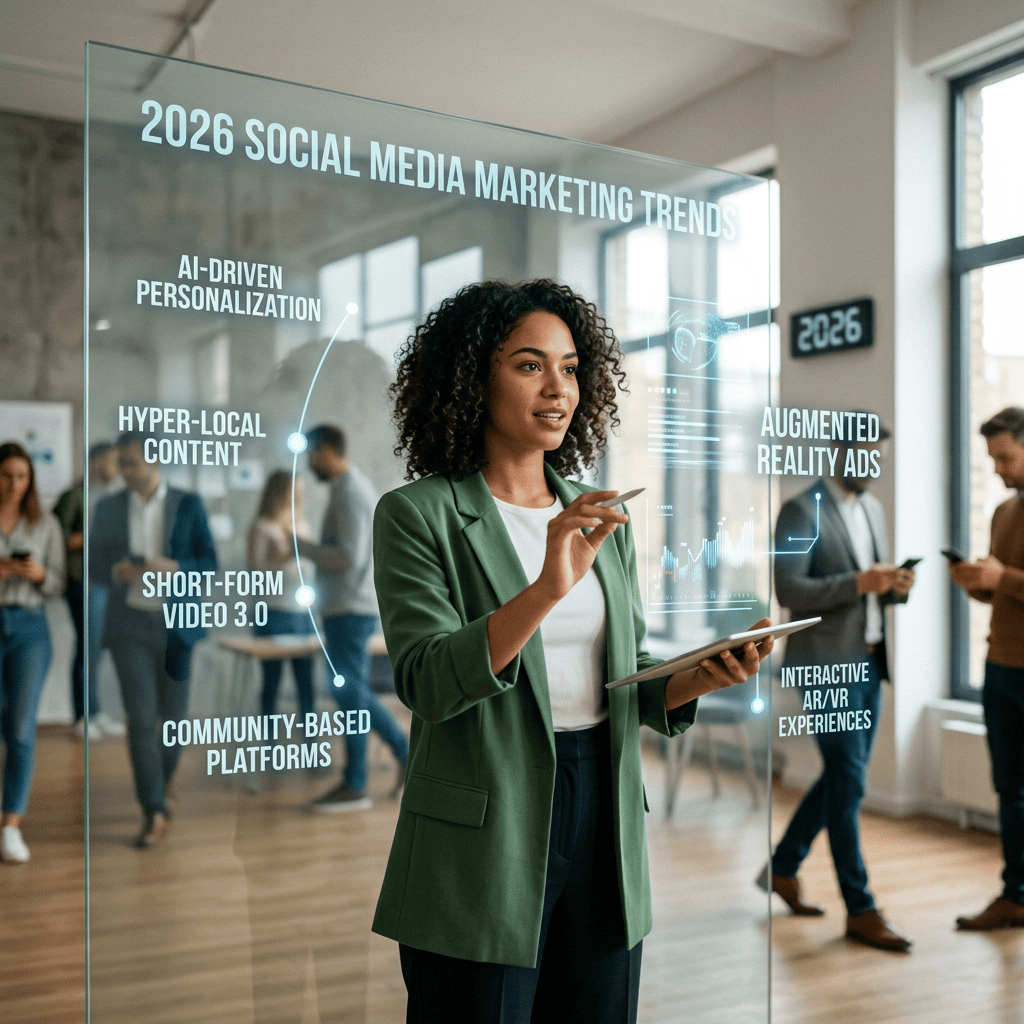
  • 2026 SOCIAL MEDIA MARKETING TRENDS

    2026 SOCIAL MEDIA MARKETING TRENDS

    This year is all about AI content creation tools and if you’ve felt like your feed, your engagement, and your entire content calendar got rewritten overnight, you’re not imagining it. A recent trend breakdown making the rounds on social platforms put it plainly, marketing is changing and the brands still leaning on 2023 playbooks are quietly losing ground.

    Below, I’ve pulled together the most useful social media marketing trends 2026 insights from that discussion, broken into practical, no-fluff takeaways for anyone trying to grow their brand online this year.

    1. Algorithm Skepticism Is Now the Default

    The first shift is less about a platform update and more about a mindset change. Audiences are increasingly aware of how the feed decides what they see, and that awareness is breeding quiet distrust. People no longer assume a viral post equals a trustworthy one — they know algorithm changes can inflate reach for reasons that have nothing to do with quality or honesty.

    For brands, this means visibility alone isn’t the win it used to be. A post can rack up impressions and still fail to build a shred of credibility if the audience senses it’s chasing the algorithm instead of serving them. The practical takeaway: optimize for a genuine reaction first, and let reach follow. Judge your content by replies and saves, not just views.
    2. AI Content Creation Tools Are Standard — But Sloppy Prompts Still Show

    Nobody’s debating whether to use AI in the content pipeline anymore as it’s simply part of the process. The bigger question is how to brief these tools properly. The video’s biggest practical nugget was this: treat your AI assistant like a specific, well-informed collaborator, not a vague vending machine.

    That means giving it real criteria, tone of voice, audience demographics, the specific outcome you want, examples of past posts that worked. Vague prompts return vague, generic output that reads like everyone else’s AI-generated caption.

    AI content creation tools that let you lock in brand voice and formatting rules, briefed with real specifics, produce results that still sound like you.

    A few things worth testing this quarter:

    • Feed your AI tool three of your best-performing captions before asking for new ones, so it has a real reference point.
    • Ask for multiple tonal variations of the same post, then pick the one that sounds most human.
    • Use AI for the first draft and speed, but keep a human doing the final edit — audiences can tell the difference, and they reward it.

    3. Subscription and Gated Content Models Are Growing

    Another notable shift is with more creators and brands are experimenting with subscription-driven content, where a portion of the value — deeper tutorials, early access, unfiltered behind-the-scenes footage — sits behind a paywall or membership tier.

    This isn’t about abandoning free content; it’s about layering it. Free posts build the audience, gated content rewards the most engaged segment and creates a steadier revenue stream that doesn’t rise and fall with algorithm mood swings.

    If you’re weighing a subscription based content model, start small. One exclusive monthly drop, a private community thread, or early access to a resource your best customers already ask for.
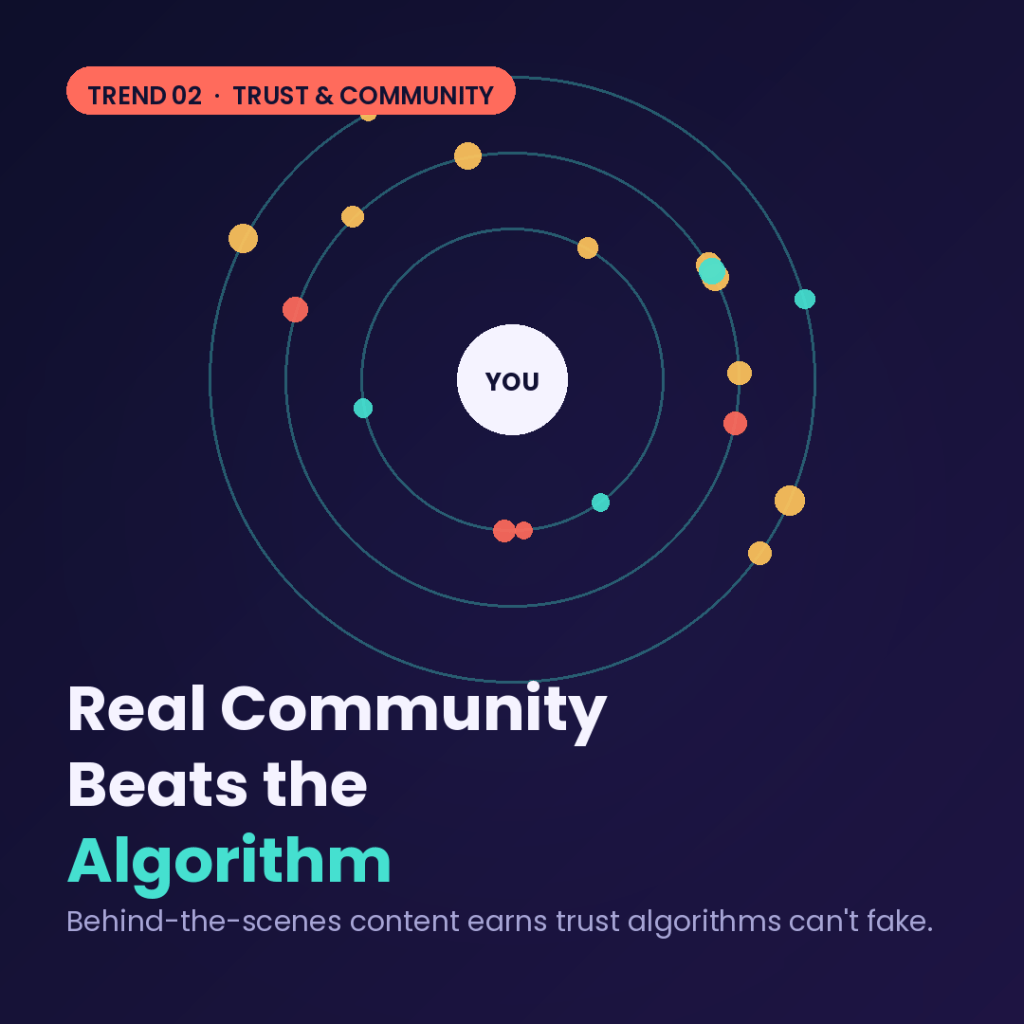
    4. Behind-the-Scenes and Community-First Storytelling Wins Trust

    This might be the most important trend of the bunch. As polished, ad-like content becomes easier to mass-produce with AI, the content that actually stands out is the unpolished kind, a real process, a real mistake, a real person explaining a decision.

    Sharing stories from your own community, not just your own brand voice, was called out specifically as a way to build a behind-the-scenes content strategy that people genuinely stick around for.

    Practically, this looks like:

    • Documenting your actual process instead of only showing the finished product.
    • Featuring real customers or community members instead of stock-style testimonials.
    • Being upfront when something didn’t work, rather than curating only the wins.

    Audiences are getting sharper at spotting manufactured authenticity, so this only works if it’s true — but when it is, it consistently outperforms glossier content.

    5. Real-Time, Conversation-Led Platforms Are Reshaping Discussion

    Text-first, real-time platforms are becoming a genuine hotbed for trending conversation — which is a double-edged sword. On one hand, jumping into real-time trending topics on Threads-style platforms can put a brand directly inside a live conversation, which is powerful for visibility and relevance.

    On the other, that same real-time, unfiltered nature makes these spaces prone to polarization and fast-moving controversy.

    The advice here is balance: show up, participate genuinely, and have an actual point of view, but know when a trending topic isn’t worth the brand risk of wading in.

    6. Strategic Partnerships Are Replacing One-Off Collaborations

    Finally, the video pointed to a move away from single, transactional influencer posts and toward longer, more integrated partnerships — creators and brands building something together over months, not one sponsored post at a time.

    This approach compounds trust instead of resetting it with every new face and it tends to read as far more credible to an audience that’s grown wary of obvious one-off ads.

    Putting It Together: A Quick Action Checklist

    Using AI thoughtfully, building trust through real stories, and rethinking how you approach algorithms all point to the same underlying idea: audiences in 2026 reward brands that feel specific, honest, and consistently present — not just algorithmically lucky. A few starting moves:

    • Audit your last 10 posts — are you optimizing for the feed or for the person reading?
    • Rewrite one AI-assisted post this week using detailed, brand-specific prompts instead of generic ones.
    • Plan one behind-the-scenes piece of content that shows your actual process.
    • Test a small gated or exclusive offer for your most loyal followers.
    • Pick one real-time platform and commit to showing up consistently, not just opportunistically.

    None of this requires a bigger budget — just a sharper, more intentional approach. The brands that treat these shifts as a genuine strategy reset, rather than a checklist to skim past, are the ones that will still be growing steadily by the time next year’s trends roll around.

    Got a trend you think we missed? Drop it in the comments — TechLatestInsights covers the tools and strategy shifts that actually move the needle.
    Leave a Reply

    Your email address will not be published. Required fields are marked *

    Rating: 5 out of 5.

  • Enhancing SEO with AI-Driven Strategies

    Enhancing SEO with AI-Driven Strategies

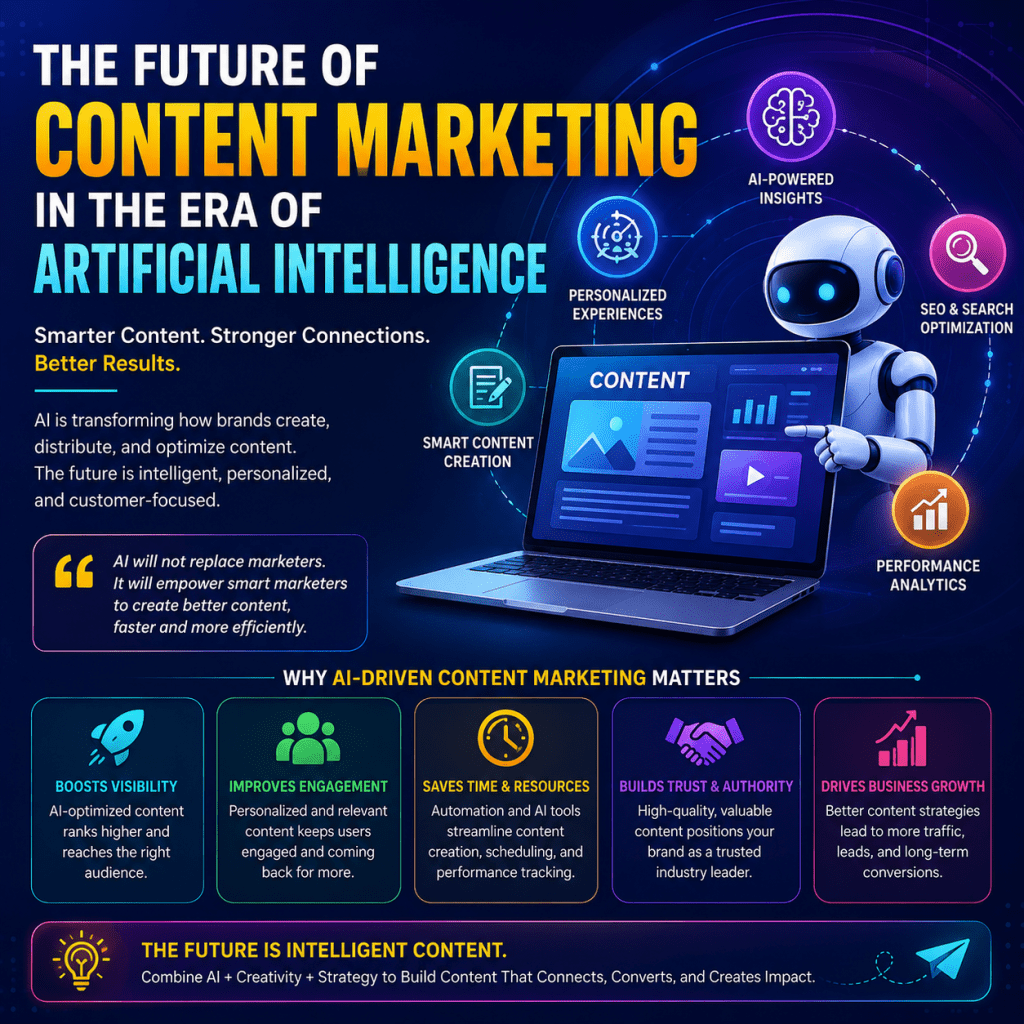
    Today, content marketing is no longer limited to blog writing or social media posting because AI tools are reshaping the entire digital ecosystem. Artificial Intelligence is transforming the way brands create, publish, and distribute online content.

    Modern businesses now use AI-driven platforms to improve customer targeting, automate campaigns, and analyze audience behavior in real time. This evolution is making digital marketing faster, smarter, and more personalized than ever before.

    The combination of AI, marketing and content strategies is helping brands deliver highly relevant experiences to users. Personalized recommendations, predictive analytics, and automated content optimization are now becoming standard practices in the online business world.

    “Artificial Intelligence will not replace marketers. It will empower smart marketers to work more efficiently.”

    One of the biggest advantages of AI-powered marketing digital marketing techniques is data analysis. AI systems can process massive amounts of customer data within seconds and identify patterns that humans may miss. This allows businesses to create content that directly matches user interests and search intent.

    AI also plays a major role in SEO optimization. Search engines now prioritize useful, high-quality, and user-focused content. Businesses using AI-assisted content marketing strategies can optimize keywords, improve readability, and increase website discoverability more effectively.

    Another important change is content personalization. Users expect brands to understand their preferences and deliver tailored experiences. AI helps businesses create customized email campaigns, personalized product suggestions, and targeted blog recommendations that improve engagement rates.

    The impact of digital marketing in 2026 will heavily depend on automation and intelligent systems. Chatbots, AI-powered customer support, voice search optimization, and automated social media scheduling are already changing how companies communicate online.

    Despite technological advancements, human creativity still remains essential. AI can generate ideas, analyze trends, and improve efficiency, but authentic storytelling and emotional connection continue to be driven by human insight. Successful marketing and content strategies will always require originality and trust.

    Short-form content is also becoming more important in the AI era. Mobile users prefer fast-loading articles, concise paragraphs, and visually engaging content. Businesses focusing on reader-friendly formatting often achieve better retention and lower bounce rates.

    Another major trend shaping digital marketing is voice search and conversational SEO. More users now search online using natural language through voice assistants. This means brands must create content that answers real questions clearly and naturally.

    AI-powered tools are also improving content performance tracking. Businesses can now monitor user engagement, click-through rates, and audience behavior instantly. These insights help marketers refine digital content marketing strategies for better long-term results.

    The future of content marketing will belong to brands that successfully combine Artificial Intelligence with human creativity. Companies that create valuable, authentic, and SEO-optimized content will continue to dominate search rankings and audience trust.

    As technology evolves, businesses investing in digital content marketing solutions and AI-driven content strategies will gain a strong competitive advantage in the rapidly growing digital economy.

    Leave a Reply

    Your email address will not be published. Required fields are marked *

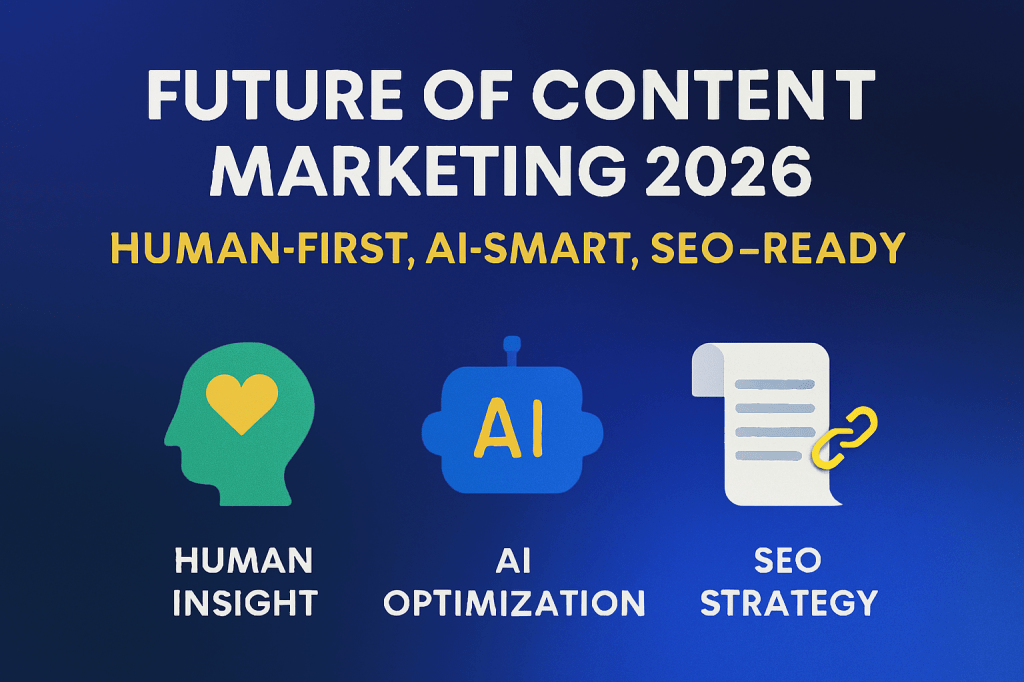
  • The Future of Content Marketing in 2026: Human-First, AI-Smart and SEO-Ready 🚀

    The Future of Content Marketing in 2026: Human-First, AI-Smart and SEO-Ready 🚀

    future of content marekting in 2026

    In 2026, authenticity, AI augmentation, and audience alimentation are going to be the new content pillars. These are for achieving success. This will be across the board from startups, digital agencies or technology content firms. Thus, understanding these shifts is crucial to staying relevant and ranking high.

    Let’s now take a deep dive into the top trends, tools, and tactics shaping the content marketing landscape in 2026. How can you apply them to your brand? Let’s check out.

    1. Predictive SEO is the New Standard 🧠

    Gone are the days of reactive keyword research. In this age, predictive AI content tools for SEO are helping marketers anticipate search trends before they peak.

    Say, for instance, the platforms like Clearscope, MarketMuse and India-specific tools like Scalenut are using machine learning to forecast what your target audience will search next.

    2. Conversational AI Writing Tools Are Mainstream 🤖

    AI writing assistants like Jasper, Writesonic and ChatGPT are now integrated into editorial workflows. But in 2026, it’s not just about speed; it’s about tone, empathy and cultural nuance.

    Indian startups are increasingly using conversational AI writing tools for blogs to create relatable, regionalized content that resonates.

    3. AI-Powered Content Recommendation Engines Drive Engagement 📈

    Personalization is no longer optional. With tools like Recombee and Adobe Sensei, brands are deploying AI-powered content recommendation engines to serve the right blog, video, or product at the right time. This boosts session time, reduces bounce rate, and increases conversions.

    4. Human-Centric Storytelling Beats Algorithmic Content 🧩

    Despite the AI boom, human-first storytelling is what builds trust. In 2026, brands that blend data with emotion—especially in B2B and tech—are seeing higher engagement. Think founder stories, behind-the-scenes content, and customer journeys.

    Pro Tip: Use emotional storytelling in digital marketing campaigns to connect deeply with your audience.

    5. AI Predictive Keyword Research Platforms in India 🔍

    Tools like LongShot AI and Frase are helping Indian content teams identify AI predictive keyword research platforms that are hyper-localized. These tools analyze regional search behavior, language preferences, and seasonal spikes.

    6. AI Analytics Tools for Content Optimization 📊

    In 2026, content performance will be measured in real time. AI analytics tools for content optimization in India like Narrato and WriterZen are helping marketers tweak headlines, CTAs and structure based on live engagement metrics.

    7. AI Chatbots for Website Engagement in India 💬

    Chatbots are no longer just for customer service. In 2026, AI chatbots for website engagement in India are being used to recommend blogs, collect feedback, and even co-create content with users.

    8. AI Content Curation Tools for Indian Digital Marketers 🧰

    Curation is as important as creation. Tools like Curata and UpContent are helping Indian marketers use AI content curation tools to build newsletters, social posts and blog roundups that drive traffic and backlinks.

    9. AI Content Marketing Strategies for Indian Startups 🧪

    The observation is that across industries, from business type to type of business this new trend has been adopted. From SaaS to D2C, Indian startups are embracing AI content marketing strategies that combine automation with authenticity. This includes AI-assisted video scripting, multilingual blog generation, and influencer content matching.

    10. Best AI Tools for Content Creators in India 🧠

    Finally, a roundup of the best AI tools for content creators in India includes Notion AI, GrammarlyGO, Writesonic and Scalenut. These tools are empowering creators to scale without sacrificing quality.

  • What Does The Future of Digital Marketing and Social Media Marketing in 2025 Look Like? Here Are Some Strategies for Success

    What Does The Future of Digital Marketing and Social Media Marketing in 2025 Look Like? Here Are Some Strategies for Success

    An Introduction to the Topic:

    The digital marketing landscape is poised for large changes in the future. We are just about to enter the new year in 2025. At the moment, the landscape of digital marketing is witnessing a rampant change. The domain is evolving at breakneck speed. In it, the business domain of social media marketing is one that’s leading at the front of this change. Businesses face the ever-growing challenge of keeping up with new trends. Additionally, they need to stay wary of new tools. They must adopt new strategies to keep ahead and above their competitors.

    1. The Evolution of Digital Marketing


    a. Important Trends in Digital Marketing.
    b. Data and AI in 2025.
    c. Social Media Marketing Trends.

    2. New Platforms and Niche Groups

    a. Authentic Content is the New King.

    3. Rise in New Platforms and Niche Groups

    a. Authentic Content Relevance and Significance
    b. Glimpse into Key Strategies for 2025
    c. Personalization at Scale Overview
    d. Conversational Marketing and Relevant Dynamics

    4. Glimpse into the Future and Actionable Advice

    a. Influencer Marketing-the future ahead in 2025
    b. Voice and Visual Search-Optimization

    Key Developments Around The Domain

    A. The Evolution of Digital Marketing

    The cornerstone of digital marketing in 2025 lies in its dynamic nature. Businesses increasingly rely on new technology with Artificial Intelligence (AI) and Machine Learning (ML). As a result, they can harness many key data-driven marketing strategies that were never before seen.

    Here are the Key Trends in Digital Marketing

    1. AI-Powered Insights

    Predictive analytics allow modern-day marketers to foresee customer needs before they become public. They also have the ability to improve campaigns for achieving highest ROI.

    2. Learn everything about Omnichannel Marketing.

    Now we will check out the prospects of achieving seamless integration. These encompass multiple platforms for achieving the highest amount of benefits. As it helps to guarantee a consistent customer experience.

    3. An insight into the domain of Privacy-Focused Marketing:

    Currently, there are some strict regulations put in place. Regulations like GDPR and CCPA prioritise user privacy. They also make sure that personalization of content remains critical.

    What Is The Role of Data and AI in 2025

    With the advent of artificial intelligence, it has become clearer. Automation will dominate digital advertising campaigns in the future. This will offer marketers many tools to help them analyze customer behavior in real-time. All these technologies will allow for hyper-targeted campaigns, making it possible to deliver personalized messages at the right moment.

    B. How Will Social Media Marketing Rise High in 2025?

    The domain of social media marketing in 2025 will grow more than it has in 2024. It will focus on more than just likes and shares. This shift occurs because these social networks are transforming into shopping sites, content sites, and community structures.

    New Platforms and Niche Communities

    More traditionally, Facebook, Instagram, and Linked-in are very much the bread and butter for many. BeReal and similar community-focused apps cut pieces of the action. They allow more niche communities for connection.

    Here’s the Importance of Authentic Content

    The emphasis on transparency and authenticity continues to rise at a rate observed like never before. Users are now drawn towards brands that share real stories. There is greater emphasis on brands to showcase Behind-The-Scenes content. Brands also need to actively join in the societal conversations. Thus Moment-Marketing comes into play for the latter aspect.

    C. Key Strategies for 2025

    Personalization at Scale

    Tailoring content for individual users has become essential. AI tools enable businesses to send personalized messages, recommend products, and craft user experiences that feel unique.

    The Rise of Conversational Marketing

    Chatbots, voice assistants, and live messaging are transforming customer interactions. Real-time, conversational marketing builds trust and reduces friction in the buyer’s journey.

    D. Adapting to the future: Actionable tips

    Leveraging Influencer Marketing

    Collaborating with micro and nano-influencers will continue to grow as they offer more authentic, reliable content compared to macro-influencers. This helps brands tap into highly engaged audiences.

    Optimizing For Voice and Visual Search

    Smart speakers and visual AI are rising in popularity. Optimizing for voice search will become critical. Creating visually rich content is also essential. Consider integrating long-tail keywords that align with conversational queries.

    Conclusion

    Digital marketing and social media marketing in 2025 demand adaptability and a proactive approach. By embracing AI, focusing on personalization, and prioritizing authenticity, brands can effectively connect with their audiences and achieve measurable growth. Stay ahead of trends, invest in the right tools, and never underestimate the power of storytelling.


  • 2025 Social Media Marketing Trends You Can’t Miss

    Which are the key trends to look out for?

    How to prepare for the future?

    The above are some prominent questions to answer to achieve success. A clear plan will help guide you ahead with achieving success in the highly competitive online marketing domain.

    This domain, off late, has been bombarded with updates at a rapid rate. There has been an inflow of new tricks, ways to achieve success, and go-to tricks like never before. So, it is very likely that new trends will emerge in the year 2025. New tricks will also do the rounds during this time.

    Which are the key trends to look out for?

    How to prepare for the future?

    The above are some prominent questions to answer to achieve success. A clear plan will help guide you ahead with achieving success in the highly competitive online marketing domain.

    In the evolving world of social media marketing, businesses face exciting possibilities. They also face fresh challenges. Companies must navigate emerging trends. As we approach 2025, technological advancements like AI are leading the change. Immersive AR/VR experiences and advanced data analytics also contribute to redefining brand engagement with their targets. Social media marketers should understand these trends. By leveraging them, they can unlock powerful ways to connect with audiences. This approach helps grow brand loyalty.

    Here in this post, we’ll explore 5 key technology trends predicted to shape the future of social media marketing. We shall take a deep dive into social media content ideas for small businesses. These ideas will boost engagement. They range from seasonal promotions to health and wellness brands. Plus, we’ll discuss practical tips on building a monthly social media content calendar for consistent posting.

    1. Artificial Intelligence and Personalization

    AI has already transformed marketing through predictive analytics, chatbots, and personalised content. By 2025, AI’s role in social media marketing will grow stronger. This development will make it easier for brands to target users with high precision. For example, AI-driven tools can analyse user behaviour. This delivers content that feels highly personalised. It helps brands appear more human and connected to their audience’s needs.

    Small businesses can benefit greatly from AI-powered social media tools, particularly when developing social media content ideas for small businesses. AI platforms like HubSpot or Buffer offer insights into customer preferences. They also analyze the best times to post. These platforms can save time and improve engagement with minimal resources. By implementing these insights, small businesses can deliver content that resonates and boosts brand visibility.

    2. Augmented Reality (AR) and Virtual Reality (VR) for Immersive Experiences

    AR and VR are set to offer immersive experiences that draw users in like never before. For example, beauty brands already use AR to let customers “try on” products virtually. Real estate companies offer VR tours of properties. This trend is expected to grow by 2025, enabling marketers to create immersive storytelling and interactive experiences that captivate audiences.

    Consider leveraging creative social media content ideas to boost engagement using AR filters on platforms like Instagram and Snapchat. A wellness brand could create an AR experience. Users would visualize themselves in a serene environment. This promotes relaxation or meditation products. These immersive experiences don’t just engage users—they make them feel personally connected to the brand, building loyalty.

    3. Enhanced Data Privacy and Transparency

    With consumers becoming more privacy-conscious, data transparency and ethical use of data are crucial for social media marketers. In the coming years, brands will need to communicate openly about how they handle user data. This will foster trust and confidence among their followers. Marketers will also need to adhere to updated data regulations, ensuring ethical and transparent interactions.

    A best practice here is to integrate privacy-friendly marketing strategies into social media content. If your brand is planning best social media content ideas for seasonal promotions, it can incorporate transparency. Offer opt-in options for personalized ads and promotions. For example, a brand promotes a winter sale. Customers can opt into specific types of content they wish to get. This approach ensures a level of trust and respect for their data privacy.

    4. The Rise of Health and Wellness in Social Media

    Health and wellness stay a significant focus across social platforms, with people increasingly seeking content that supports their well-being. From fitness and mental health tips to dietary advice, brands that offer valuable health-related content can attract engaged followers.

    For brands in this niche, social media content ideas can include daily wellness tips. They might also feature expert interviews. Additionally, brands can organize community challenges (like a 30-day fitness challenge). For instance, a fitness brand will post weekly workout routines or recipe ideas that followers can try at home. This content helps brands build themselves as trusted voices in wellness. It attracts followers who value their skill and authenticity.

    5. Building Consistent Content with a Monthly Social Media Calendar

    As social media becomes more competitive, maintaining a consistent posting schedule is essential for visibility. In 2025, brands are expected to take a more organized approach to social media content planning. A monthly content calendar helps marketers ensure that they post regularly, stay relevant, and cover diverse themes across their social channels.

    To build a consistent posting strategy, consider monthly social media content calendar ideas for consistent posting. A small business can set up a calendar with specific themes for each day. Mondays can feature motivational posts. Wednesdays can highlight products. Fridays can showcase customer stories or testimonials. By planning content in advance, brands can focus on creating high-quality posts. These posts engage and educate. Brands can also respond promptly to trending topics or events.

    Examples of Social Media Content Ideas for 2025

    To bring these trends to life, here are a few examples of how small businesses can use the latest technology trends in their social media marketing content:

    1. Using AI for Hyperpersonalization: A local coffee shop can use AI to track customer favorites and send personalized offers. For example, if a customer often orders a seasonal pumpkin spice latte, they often get tailored offers. These offers are sent during the fall season. This also ties into the best social media content ideas for seasonal promotions. It allows for prompt and targeted outreach.
    2. Augmented Reality for Engagement: An online clothing boutique will create an AR filter on Instagram. This filter allows customers to “try on” accessories or makeup. This not only increases engagement. It also gives customers a tangible sense of how products might look on them.
    3. Data Privacy and Trust Building: A small health brand provides clear details on how customer data is handled. They also offer the choice to opt into specific types of content. This includes access to exclusive health tips, product launches, or wellness events.
    4. Health-Focused Content: A wellness brand will post daily fitness or mental health tips on their social media. This aligns with social media content ideas for health and wellness brands. They also hold live sessions with wellness experts to engage with their followers directly.
    5. Consistency through Content Calendars: A beauty brand implement a monthly calendar where they showcase different product categories each week. Week 1 focus on skincare, week 2 on makeup tips, and so on. This structured approach ensures that followers get varied content consistently, keeping them engaged over time.

    Conclusion

    The future of social media marketing is intertwined with technological advancements that promise greater personalization, engagement, and transparency. Small businesses can thrive in this evolving landscape by adopting creative social media content ideas. These ideas should resonate with their audience and align with the latest trends. Trends range from AI-powered personalization to AR-driven experiences.

    By 2025, marketers who stay ahead of these trends will be well-positioned. They need to build strategic and consistent content plans. This will allow them to create meaningful connections with their audience. Embracing these changes and applying them to their social media marketing domain can empower brands to foster lasting relationships and build a loyal customer base.

    References:

    From the blog

    Stay up to date with the latest from our blog.