Tag: artificial-intelligence

  • AI Agents in 2026: The Next Big Revolution Every Business Should Prepare For

    AI Agents in 2026: The Next Big Revolution Every Business Should Prepare For

    Artificial Intelligence has evolved far beyond chat bots and content generation. In 2026, businesses are entering the era of AI Agents like some intelligent digital assistants capable of planning tasks, making decisions, collaborating with software and executing complex workflows with minimal human intervention.

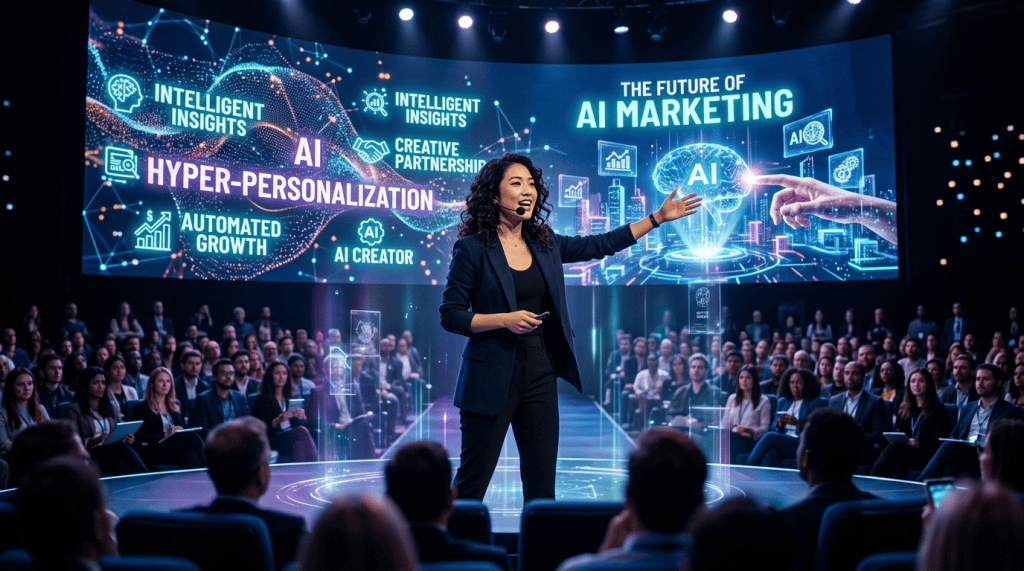
    Woman interacting with AI hologram showing data visualizations

    From startups to Fortune 500 companies, AI agents are becoming the backbone of customer service, marketing, software development, finance, healthcare and operations.

    If your business isn’t exploring AI agents yet, you’re already behind the curve!

    What Are AI Agents?

    AI agents are autonomous software systems that understand goals, analyze information, make decisions and perform actions without constant human guidance.

    Unlike traditional automation, AI agents can:

    * Understand natural language

    * Learn from previous interactions

    * Break complex tasks into smaller steps

    * Use multiple tools

    * Adapt to changing situations

    * Work continuously 24/7

    Think of them as digital employees rather than simple software.

    Why AI Agents Matter in 2026

    * Increase productivity

    * Reduce operational costs

    * Deliver better customer experiences

    * Make faster decisions

    * Scale without hiring massive teams

    AI agents help solve all five challenges simultaneously.

    Instead of automating one task, they automate entire business processes.

    Real-World Applications

    Customer Support

    AI agents answer customer queries instantly, resolve common issues and escalate only complex cases.

    Marketing

    They generate content ideas, optimize SEO, analyze campaign performance, schedule posts and recommend improvements.

    Sales

    Sales teams use AI agents for lead qualification, CRM updates, email personalization and follow-up automation.

    Software Development

    Developers rely on AI agents to review code, generate documentation, detect bugs and assist with testing.

    Health Care

    Hospitals use AI-powered assistants for appointment scheduling, patient communication and administrative workflows.

    Benefits for Businesses

    Increased Productivity

    Employees spend less time on repetitive tasks and more time solving meaningful problems.

    Lower Costs

    Automation reduces manual effort and improves operational efficiency.

    Faster Decision-Making

    AI agents analyze data in seconds and provide actionable insights.

    Better Customer Experience

    Customers receive instant responses around the clock.

    Improved Accuracy

    Automation reduces human errors in repetitive workflows.

    Challenges to Consider

    While AI agents are powerful, organizations should address:

    * Data privacy

    * Security

    * Human oversight

    * AI bias

    * Regulatory compliance

    Responsible AI governance remains essential.

    How Small Businesses Can Get Started

    The best part is they do not need a huge budget.

    Start with:

    * AI-powered customer support

    * Email automation

    * Marketing assistants

    * Content planning

    * Workflow automation

    * Internal knowledge assistants

    Expand gradually as your team becomes comfortable with AI.

    The Future of Work

    AI agents won’t replace human creativity, leadership, or strategic thinking.

    Instead, they’ll eliminate repetitive work, allowing professionals to focus on innovation, relationships, and problem-solving.

    The businesses that combine human expertise with AI capabilities will gain a lasting competitive advantage.

    Conclusion

    AI agents represent one of the biggest technological shifts since cloud computing and smartphones.

    Organizations that invest today will enjoy greater efficiency, improved customer experiences, and stronger long-term growth.

    Future isn’t about humans versus AI, it’s about humans working smarter with AI.

  • The Future Is Now: Key Technology Developments Shaping 2025 and Beyond🚀

    The Future Is Now: Key Technology Developments Shaping 2025 and Beyond🚀

    1. Agentic AI: Beyond Automation 🌐

    Artificial intelligence is evolving from reactive systems to AI tools that can proactively make decisions, learn independently, and collaborate with humans. This shift is revolutionizing:

    • Customer service through intelligent chatbots and virtual assistants
    • Healthcare diagnostics with predictive modeling
    • Financial planning via autonomous portfolio management

    For entrepreneurs, this opens up best ideas for businesses in AI-driven consulting, personalized wellness platforms and smart retail.

    2. Advanced Connectivity & 6G Foundations 📶

    While 5G is still rolling out globally, 6G research is already underway. Expect:

    • Ultra-low latency for real-time applications like remote surgery and autonomous vehicles
    • Massive IoT integration for smart cities and homes
    • Edge computing to reduce cloud dependency and enhance data privacy

    These developments are fertile ground for ideas for small businesses in smart home installation, IoT device servicing, and localized data analytics.

    3. Immersive Reality: AR, VR & Mixed Reality 🧠

    Immersive technologies are no longer niche; they’re mainstream. In 2025:

    • AR overlays will enhance retail, education, and tourism
    • VR training modules will redefine employee onboarding and skill development
    • Mixed reality will power collaborative design and remote workspaces

    This creates business ideas in virtual storefronts, immersive learning platforms, and MR-based architectural visualization.

    4. Digital Trust & Cybersecurity Innovation🔐

    With data breaches and AI-generated misinformation on the rise, digital trust is paramount. Emerging solutions include:

    • Decentralized identity systems
    • Zero-trust architectures
    • AI-powered threat detection

    Cybersecurity startups and franchise business models focused on digital hygiene, compliance, and secure infrastructure will thrive.

    5. Quantum Technologies: The Next Frontier ⚛️

    Quantum computing is moving from labs to limited commercial use. In 2025, expect:

    • Quantum simulations for drug discovery and climate modeling
    • Quantum encryption for ultra-secure communication
    • Quantum AI for solving complex optimization problems

    These breakthroughs offer new ideas for business in quantum-as-a-service platforms, secure data vaults, and quantum education hubs.

    6. Robotics & Automation in Everyday Life 🤖

    Robots are no longer confined to factories. In 2025:

    • Service robots will assist in hospitality, elder care, and logistics
    • Collaborative robots (cobots) will work alongside humans in SMEs
    • AI-driven drones will handle deliveries, surveillance, and agriculture

    This opens good ideas for business in robot leasing, drone fleet management, and automation consulting.

    7. Bioengineering & Personalized Health🧬

    The convergence of tech and biology is reshaping healthcare:

    • CRISPR advancements for gene editing
    • Wearable biosensors for real-time health tracking
    • AI-driven diagnostics for personalized treatment plans

    Entrepreneurs can explore business ideas in health-tech wearables, genetic counseling services, and AI-powered wellness apps.

    8. Space Tech & Satellite Ecosystems🌌

    Space is becoming a commercial playground:

    • Low Earth Orbit (LEO) satellites for global internet coverage
    • Space tourism and asteroid mining research
    • Satellite-based climate monitoring

    This inspires new ideas for business in satellite data analytics, space education, and eco-monitoring platforms.

    9. Sustainable Tech & Circular Innovation🧩

    Sustainability is no longer optional. In 2025:

    • Green cloud computing and energy-efficient data centers
    • Circular economy platforms for reuse and recycling
    • Carbon capture technologies integrated with AI

    These trends support best ideas for business in eco-packaging, green logistics, and sustainability consulting.

    10. AI-Augmented Decision Making for Entrepreneurs 📊

    AI is becoming a strategic partner for business owners:

    • Predictive analytics for market trends
    • AI-generated business plans and financial models
    • Automated customer segmentation for targeted marketing

    This empowers franchise business owners and startups to scale faster, smarter, and more efficiently.

    🔚 Summation: Tech as a Launchpad for Business Innovation

    From agentic AI to quantum computing, the technologies shaping 2025 are not just futuristic—they’re actionable. They offer a rich playground for business ideas, whether you’re launching a franchise business, exploring ideas for small business, or seeking the best ideas for business in emerging sectors.

    Ready to turn these trends into your next venture?

    Explore more insights at TechLatestInsights.com and subscribe for weekly updates on good ideas for business, tech-driven entrepreneurship, and strategic innovation.

    Let’s build the future one idea at a time.

    Rating: 5 out of 5.

    Leave a Reply

    Your email address will not be published. Required fields are marked *

  • Content Tricks For Success In AI World In 2026 📘

    Content Tricks For Success In AI World In 2026 📘

    Whether you run a SaaS platform, an e-commerce store, or an educational portal, mastering content in this AI driven era may set you apart from your competitors.

    1. Why Is AI Changing Content Faster Than Ever?🎯

    Artificial intelligence is revolutionizing:

    1. Content personalization
    • Predictive SEO
    • Conversational interfaces

    Now we have predictive AI content tools for SEO, and these AI systems now predict user intent before the user types a single query. Thus, it is a key to have your content align with these predictive models to simply get discovered.

    2. How To Create Content That Feels Human?💡

    A. Use Conversational AI Writing:

    Instead of robotic text, blend conversational AI writing tools for blogs to generate drafts that feel natural.

    B. Build Trust:

    Answer real user questions transparently.

    C. Optimise For Voice Search:

    In India, voice search queries are growing by 30% YOY. Incorporate phrases like ‘best AI tools for content creators in India‘.

    3. Five Content Tricks To Boost Time On Page📝

    Here are proven methods to keep your readers engaged longer:

    ✅ Create Interactive Content

    Embed polls, quizzes, or mini-calculators.

    ✅ Use AI Video Summaries

    Create and use the new ‘Fad’ in short videos that explain the core message of your article.

    ✅ Cluster Related Posts

    Envision the power of Content Clusters. Use AI powered content recommendation engines to auto-suggest related blogs.

    ✅ Add Scroll Triggers

    Another actionable suggestion is to use the “read next” prompt after every 300 words.

    ✅ Update Frequently

    Refresh statistics used in posts and case studies every 3-4 months.

    4. Is Predictive SEO The Future? 📈

    In a word? Yes.

    The AI-driven tools can forecast what users will search for next quarter.

    Next steps to leverage predictive SEO:

    1. Use AI predictive keyword research platforms in India to spot emerging trends.
    2. Build content pillars around those keywords before the competition.
    3. Cross-link your old content to new predictive topics.

    5. Should You Use AI For Content Curation? 🤔

    Absolutely yes! As we have already witnessed, now AI helps in a big way to curate faster and more accurately.

    Tips:

    🔹 Use AI content curation tools for Indian digital marketers to gather insights from thousands of sources.

    🔹 Then, personalize the curation to fit your audience’s tastes.

    6. Three Metrics That Define Success In AI Content📊

    1st: User Engagement Time

    2nd: Scroll Depth

    3rd: Content Relevance Score

    You can track these using AI analytics tools for content optimization in India, which auto-analyze reader behavior.

    7. The Role Of AI Chatbots🚀

    Smart AI chatbots for website engagement in India can:

    [a] Answer questions instantly

    [b] Collect emails

    [c] Guide visitors to the right content

    [d] Adding chatbots can lift engagement by up to 40%.

    8. Creating Evergreen AI Content 💼

    To achieve this, lay your focus on:

    Evergreen AI content strategies for Indian businesses

    ✅ Refreshing your cornerstone pages twice a year

    ✅ Building in-depth guides with FAQs

    ai-powered-content-strategies

    Conclusion🏁

    As we move toward 2026, the companies that master AI content marketing strategies for Indian start-ups will become the leaders in visibility and trust. From predictive SEO to personalized chatbots and advanced analytics, there lies an incredible toolbox ready to use.

    With continuously evolving the strategies and keeping in mind that the future of content is AI-driven, human-centered and experience-focused.

    If you want to thrive in this exciting landscape, start today because in 2026, the winners will be those who embrace AI content marketing strategies for Indian start-ups first.

    Leave a Reply

    Your email address will not be published. Required fields are marked *

    Read more: Content Tricks For Success In AI World In 2026 📘

    Rating: 5 out of 5.

  • Top AI Productivity Tools for Remote Work in 2025 To Work Smarter, Not Harder

    Top AI Productivity Tools for Remote Work in 2025 To Work Smarter, Not Harder

    Ever since I started working back then in 2013 I have been fully immersed in the digital revolution and found that the top AI productivity tools for remote work in 2025 are not just “nice-to-have” additions, they’re the reason I can get more done with less burnout.

    These tools have become my trusted digital companions, saving me time, automating mundane tasks, and helping me prioritize deep work.

    In the past year, many developments have taken shape, resulting in the market being bombarded with dozens of AI apps and platforms. These have laid a strong impact by, by the way, genuinely transforming the way we work. Here in this post, I’m sharing my personal take on the best of the best, tools tailored especially for the professional like you in 2025 and beyond.

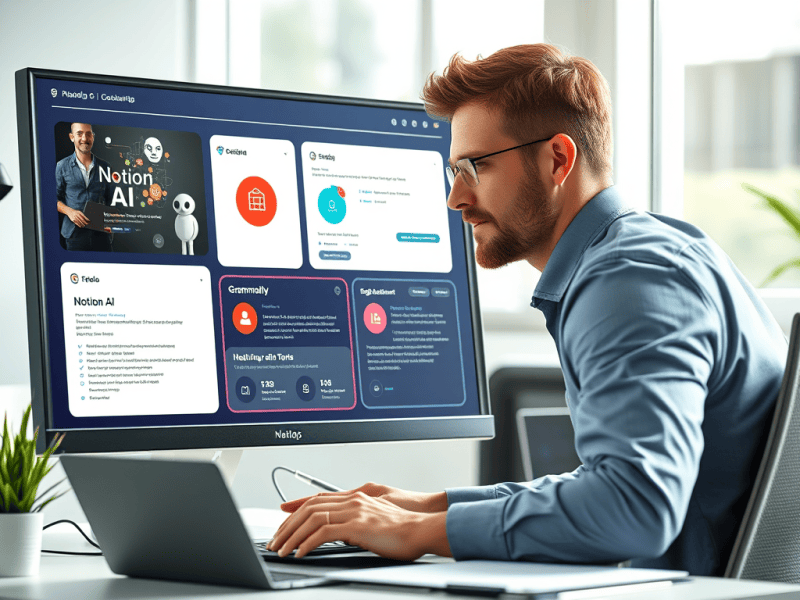
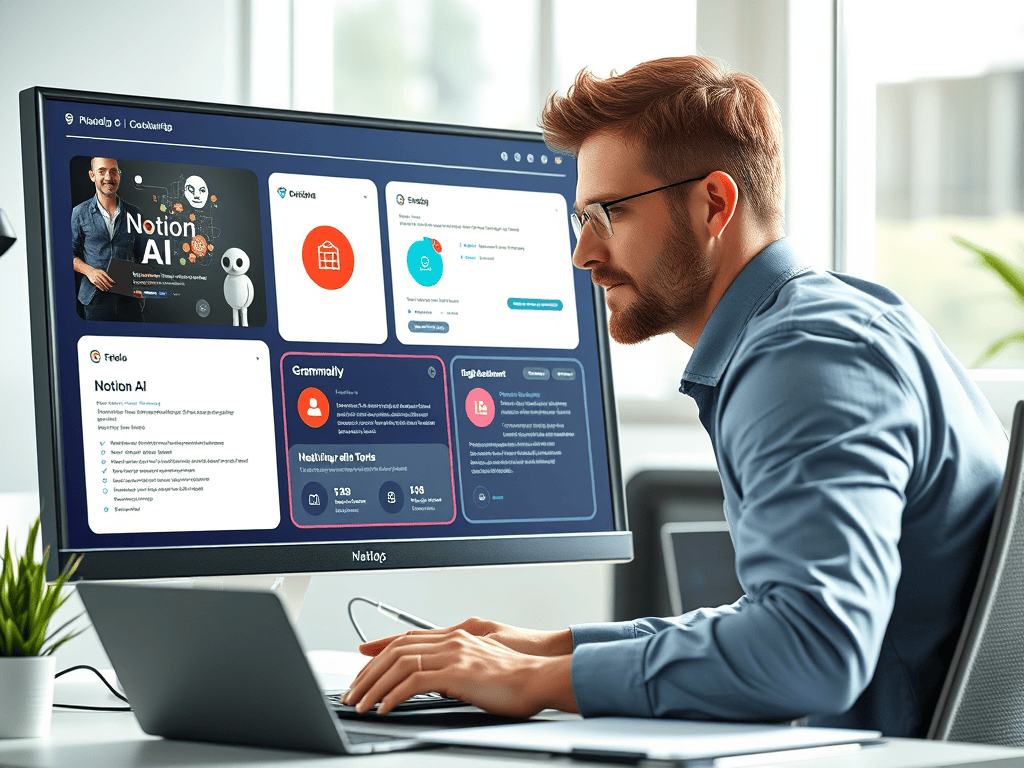
    1. Notion AI: This Is A Powerhouse For Knowledge Workers

    The tool, Notion AI for content creation and project planning was one of the first tools I had tried to use in my workflow. Irrespective of the need for drafting key blog outlines, creating knowledge wikis, or simply generating the task specific checklists, this tool, Notion AI will help you to do it with ease. This has its core ability in generating context-relevant text suggestions that has saved many hours each week. Adding to this is its ability to even spark some creative ideas that you might not have thought of yourself.

    2. Grammarly: Your Virtual Communication Assistant

    Clear and polished communication is a must in remote work setups. Grammarly AI for professional writing improvement goes beyond correcting typos—it helps you fine-tune tone, intent, and clarity. Whether I’m composing client emails or publishing blog content, Grammarly makes my words feel like they’ve gone through a professional editor

    3. Otter.ai: Your AI Meeting Memory

    I work with clients across time zones, and AI tools for real-time meeting transcription and summarization like Otter.ai have been lifesavers. This tool transcribes meetings live, tags speakers and even gives you summaries with key points. It frees up my attention to actually participate in conversations rather than worrying about missing details.

    4. Trello + Butler: Automate Your Projects Like a Pro

    If you’re into kanban boards and organized visual planning, then you’ll love AI-powered task automation in Trello for remote teams. Butler, Trello’s AI-based automation tool, lets you automate card moves, trigger reminders, and set priority flags. Project management without Trello feels chaotic now.

    5. Clockwise: Calendar Intelligence That Cares

    AI-based smart calendar assistants for remote professionals are increasingly necessary, and Clockwise tops the list. It automatically blocks out focus time, reschedules meetings for low-impact hours and ensures I get enough breathing room. With it, my weeks feel intentionally structured instead of endlessly reactive.

    6. Motion: AI Meets Timeboxing

    I recently started using Motion, which integrates AI productivity apps that support timeboxing and daily planning. It uses AI to analyze your task list, calendar, and energy levels, then suggests a time-optimized schedule. Honestly, it’s like having a digital chief of staff.

    7. Superhuman: Email on AI Steroids

    Managing your inbox doesn’t have to be a chore. Superhuman email AI tools for workflow optimization help me stay at inbox zero without stress. From auto-sorting emails to preemptive reply suggestions, it’s the fastest email experience I’ve ever used and it saves me at least an hour a day.

    8. Fireflies.ai: Smarter Meeting Notes

    Similar to Otter, Fireflies brings AI meeting assistants for capturing insights and action items into your video calls. I use it for internal team calls and strategy sessions—it tags follow-ups, notes deadlines, and delivers accurate transcriptions almost instantly.

    9. ClickUp AI: All-in-One Productivity Central

    ClickUp has become my go-to for full-scale project management. And since they launched ClickUp’s AI tools for managing projects and remote workflows, I rarely need to jump across different apps. The AI helps suggest tasks, generate documents, and align deadlines seamlessly.

    We all know that remote work can blur the lines between life and work. That’s where AI scheduling tools to improve work-life balance for remote workers like Reclaim come in. It syncs with your work and personal calendars, auto-reschedules meetings based on personal needs, and reminds you to take breaks. It’s not just about productivity—it’s about sustainability.

    If you’re working remotely in 2025 and not tapping into these tools, you’re leaving serious productivity gains on the table. Whether it’s automating workflows, managing emails, optimizing your time, or simply reducing mental load—these tools are making a measurable difference in my daily performance.

    Start small, integrate one or two, and watch how your workflow transforms.

    Leave a Reply

    Your email address will not be published. Required fields are marked *

    Ways To Boost Productivity in 2025 By Transforming Workflows With These Top AI Tools

    We all are living in a world flooded with AI-powered productivity tools today. That’s progressing in a fast-paced digital landscape, staying productive is more challenging than ever. With the rise of remote work and the constant influx of information, professionals are seeking innovative solutions to streamline their tasks. Enter these tools, which are revolutionising the…

  • Ways To Boost Productivity in 2025 By Transforming Workflows With These Top AI Tools

    Ways To Boost Productivity in 2025 By Transforming Workflows With These Top AI Tools

    Introduction

    We all are living in a world flooded with AI-powered productivity tools today. That’s progressing in a fast-paced digital landscape, staying productive is more challenging than ever. With the rise of remote work and the constant influx of information, professionals are seeking innovative solutions to streamline their tasks. Enter these tools, which are revolutionizing the way we work by automating routine tasks, enhancing decision-making, and fostering collaboration.

    ai-productivity-tools

    The Rise of AI in Productivity

    Artificial intelligence (AI) has transitioned from a futuristic concept to an integral part of our daily workflows. From managing emails to scheduling meetings, the market is now flooded with the best AI tools for remote work designed to handle the Ad-hock and repetitive tasks. They further allow professionals to focus on more strategic activities.

    Top AI Tools Enhancing Productivity

    • Grammarly: As we take a step beyond the grammar checks, Grammarly’s AI provides other features like tone suggestions and clarity improvements, ensuring effective communication in the content.
    • Otter.ai: This is another efficient tool that helps to transcribe meetings in real-time. Thus, offering searchable transcripts and highlights, which is invaluable for team collaborations in a remote setting.
    • Trello with Butler: This is one tool that is generating many fans. Trello’s automation tool, Butler, uses artificial intelligence to automate routine tasks within boards. A few like moving cards or sending reminders, enhance project management efficiency.
    • Clockwise: This is an AI-powered calendar assistant that optimises your schedule. Leveraging moving meetings to create blocks of uninterrupted focus time.

    What All Are The Benefits of Integrating AI Tools

    • Time Savings: Automating routine tasks reduces manual effort, freeing up time for critical thinking and creativity.
    • Enhanced Accuracy: AI tools minimise human errors, ensuring higher quality outputs.
    • Improved Collaboration: Real-time transcriptions and shared AI insights foster better team communication. These AI tools for team collaboration are poised to gain more traction in the coming months.
    • Personalised Workflows: AI adapts to individual work habits, offering tailored suggestions to boost efficiency.

    Which All Are The Major Challenges and Points Of Consideration

    While AI tools offer numerous advantages, it’s essential to address potential challenges:

    • Data Privacy: To ensure that the tools comply with data protection regulations to safeguard sensitive information.
    • Over-reliance: The innate dependence on AI might hinder the development of critical skills. Thus it becomes even more crucial to strike a balance between automation and human input.

    Cost Implications: A few AI tools come with subscription fees, so it’s vital to assess the return on investment.

    Future Outlook

    The integration of AI in productivity tools is just like the tip of the iceberg. As with the advancements in machine learning and natural language processing, prospects are to anticipate even more sophisticated tools that understand context, predict needs, and offer proactive solutions.

    Summary

    Embracing AI-powered productivity tools is no longer a luxury but a necessity in the modern workspace. By automating mundane tasks, enhancing accuracy, and fostering collaboration, these tools empower professionals to achieve more in less time. As technology continues to evolve, staying updated with the latest AI innovations will be key to maintaining a competitive edge.

    Rating: 5 out of 5.

    Leave a Reply

    Your email address will not be published. Required fields are marked *

  • Gartner’s Top Strategic Technology Trends for 2025: A Deep Dive

    Gartner’s Top Strategic Technology Trends for 2025: A Deep Dive

    As we navigate through emerging technologies in 2025, the technological landscape continues to evolve at an unprecedented pace. Gartner’s latest report sheds light on ten strategic technology trends poised to redefine industries and reshape our digital future. This comprehensive overview delves into each trend, emphasizing their significance and potential impact.

    1. Agentic AI: The Rise of Autonomous Decision-Making

    Agentic AI represents a significant leap from traditional AI models. Unlike systems that require explicit prompts, agentic AI can autonomously make decisions and perform tasks to achieve specific goals. This evolution promises enhanced productivity and streamlined operations across various sectors.

    2. AI Governance Platforms: Ensuring Ethical AI Deployment

    With AI’s growing influence, AI governance platforms have become essential. These platforms ensure that AI systems operate transparently, ethically, and securely, mitigating risks like bias and data breaches. Implementing robust governance frameworks is crucial for building trust and ensuring compliance.

    3. Disinformation Security: Combating Misinformation in the Digital Age

    The proliferation of AI-generated content has amplified the spread of misinformation. Disinformation security focuses on detecting and mitigating false information, safeguarding organizational integrity and public trust. Implementing advanced verification tools and training is paramount in this endeavor.

    4. Post-Quantum Cryptography: Securing Data in a Quantum World

    As quantum computing advances, traditional encryption methods face obsolescence. Post-quantum cryptography offers quantum-resistant encryption techniques, ensuring data remains secure against future quantum threats. Organizations must proactively adopt these methods to protect sensitive information.

    5. Spatial Computing: Merging Physical and Digital Realities

    Spatial computing integrates physical environments with digital interfaces, enabling immersive experiences through technologies like AR and VR. This trend is revolutionizing sectors such as healthcare, education, and retail by enhancing user interaction and engagement.

    6. AI-Augmented Development: Enhancing Software Engineering

    AI-augmented development leverages AI to assist in software creation, from code generation to testing. This approach accelerates development cycles, reduces errors, and allows developers to focus on complex problem-solving tasks.

    7. Intelligent Applications: Delivering Personalized User Experiences

    Intelligent applications utilize AI to provide context-aware, adaptive user experiences. By analyzing user behavior and preferences, these applications offer personalized content and functionalities, enhancing user satisfaction and engagement.

    8. Sustainable Technology: Driving Eco-Friendly Innovations

    Sustainable technology emphasizes the development of eco-friendly solutions that minimize environmental impact. From energy-efficient systems to sustainable product designs, this trend underscores the importance of aligning technological advancements with environmental responsibility.

    9. Platform Engineering: Streamlining Development Processes

    Platform engineering focuses on creating reusable platforms that streamline the development and deployment of applications. By standardizing processes and tools, organizations can enhance efficiency, reduce costs, and accelerate time-to-market.

    10. Industry Cloud Platforms: Tailoring Cloud Solutions for Specific Sectors

    Industry cloud platforms offer cloud services customized for specific industries, addressing unique regulatory, operational, and security requirements. These platforms enable organizations to leverage cloud capabilities while ensuring compliance and efficiency.

    Conclusion: On Embracing the Future of Technology

    Gartner’s top strategic technology trends for 2025 highlight the transformative potential of emerging technologies. From autonomous AI systems to sustainable innovations, these trends offer a roadway for organisations aiming to stay ahead in a rapidly evolving digital landscape. By understanding and integrating these trends, businesses can drive innovation, enhance efficiency, and achieve sustainable growth.

    Click for the report!

    Rating: 5 out of 5.

    Leave a Reply

    Your email address will not be published. Required fields are marked *

  • Artificial Intelligence in Healthcare? What is that?

    Artificial Intelligence in Healthcare? What is that?

    ai-in-healthcare

    Here Are Some Real-World Use Cases

    1. AI-Powered Diagnostic Imaging Tools

    In healthcare, radiology is quite frankly one of the most transformed domains. The tools are now using deep learning in radiology applications all for analyzing X-rays, MRIs and CT scans. With an intention to identify abnormalities like lung nodules or brain bleeds with speed and accuracy. Many trials have shown their ability to outperform their human counterparts.

    2. AI Application in Chronic Disease Management

    Now as we see chronic diseases like diabetes and heart disease being the leading causes of death globally, AI in chronic disease prediction and prevention is a game-changer. AI systems continuously learn from patient data and wearable sensors, offering personalized alerts and treatment guidance.

    3. Using AI in The Hospital Workflow Optimization

    The hospital is a complex environment setup. Using AI for hospital workflow automation, institutions can now streamline everything from patient scheduling to supply chain management.

    What is the result?

    Less administrative burden, more time for patient care.

    4. AI in Medical Chatbots for Patient Engagement

    Whether it’s a basic prescription reminder or a symptom checker, AI-powered medical chatbots for healthcare are giving patients on-demand assistance, 24/7. These technologies assist in filling the gap between visits, particularly in resource-constrained regions.

    5. AI in Personalized Medicine Solutions

    The time of the one-size-fits-all treatments is long gone now. With AI-driven personalized medicine platforms, the modern age has therapies that are being customized based on genetics, lifestyle, and medical history. All this leads to better outcomes and reduced side effects.

    6. Using AI for Drug Discovery and Development

    Everything has changed for the better with speed. As processes that took years can now be done and dusted in a few months. Now with the advent of Artificial intelligence in pharmaceutical research it is possible for scientists to simulate and test thousands of drug compounds using predictive models. This has significantly accelerated development cycles.

    7. AI in Remote Patient Monitoring Systems

    Much due to the wearable and AI-based remote patient monitoring devices, healthcare professionals can now track vital signs like heart rate and glucose levels in real-time. All these systems alert both patients and doctors when something is off, enabling timely interventions.

    8. AI in Mental Health Analysis Tools

    Well did you think that AI is just for physical health? Wait a minute! Machine learning for mental health analysis uses voice patterns, text messages, and behavioral cues to detect early signs of depression, prompting early intervention or therapy.

    9. AI in Electronic Health Record Management

    Handling of data is a notorious pain point for healthcare professionals. Quite frankly as it is not their major line of issue to address. Thus AI solutions for electronic health record automation are helping by extracting and organizing data intelligently, reducing errors and any form of clinician burnout.

    10. How Does AI Play A Role in Predictive Analytics for Pandemic Response

    A key use case recently was AI-based predictive analytics for disease outbreaks. During the COVID-19 pandemic, AI models accurately forecast case surges, helping governments allocate resources in advance.

    The Human Impact

    We might be all laying a focus on technology, but let’s not forget the people. Take this for an instance: imagine Sapna, a 60-year-old in a rural village, using a smartphone application to consult a medical chatbots, who then connects her to a telemedicine specialist. Or Rohit, a busy father of two, using a wearable device that helps to detect an irregular heart rhythm before he even feels a symptom, all thanks to AI in remote patient monitoring systems. These aren’t far-reaching scenarios anymore as they’re happening now.

    Challenges in Adoption

    As promising as it all may sound, AI in healthcare does come with its set of hurdles:

    • Bias in data models can result in dissimilar treatment outcomes.
    • Data privacy and ethics must comply, especially when dealing with personal health data.
    • Integration with legacy systems is often a complex and costly task.

    The Future: What Comes Next?

    Conclusion

    Right from streamlining diagnostics to improving patient interaction, artificial intelligence in healthcare is revolutionizing how care is delivered, accessed, and experienced. As we stand on the cusp of even greater innovation, the opportunity is enormous, but so is the responsibility to use these tools wisely.

    If you’re curious about where this journey goes next, don’t miss a beat. Subscribe now for regular insights, deep dives, and tech updates that could shape the future of healthcare and how you too could play a role in it.

  • India in 2025 & Beyond: How is Quantum Computing Catalyzing Innovation & Revolutionizing Industries

    India in 2025 & Beyond: How is Quantum Computing Catalyzing Innovation & Revolutionizing Industries

    In the financial sector, quantum computing offers powerful tools for risk assessment and portfolio optimization. By processing vast datasets and complex algorithms, quantum systems can provide more accurate predictions and strategies, leading to improved investment decisions and financial stability.​

    There are also many applications of quantum computing in agriculture can lead to significant improvements in crop yields and sustainability. By analyzing complex variables such as soil health, weather patterns, and crop genetics, quantum models can optimize farming practices, reduce resource usage, and enhance food security. ​

    As quantum computers become more powerful, traditional encryption methods face potential vulnerabilities. To address this challenge, researchers are developing quantum-resistant encryption techniques designed to withstand quantum attacks, ensuring robust data security in the era of quantum computing.

    Recognizing the importance of a skilled workforce in quantum technologies, India is investing in education and training programs. Initiatives like the National Quantum Mission aim to develop expertise in quantum computing, fostering innovation and maintaining the country’s competitive edge in this emerging field.

    Key Startups in India Catalyzing Innovation in 2025

    The Rise of Quantum Startups in India

    The Indian government’s commitment to quantum research in India, exemplified by the National Quantum Mission (NQM), has created a conducive environment for startups to thrive. With substantial funding and support, these startups are exploring diverse applications of quantum computing in India, from cryptography to drug discovery.


    Leading Quantum Computing Startups in India


    1. QpiAI

    Bangalore-based QpiAI has made headlines with the launch of a 25-qubit superconducting quantum computer in India, marking a significant milestone in India’s quantum journey. Their roadmap includes scaling to 64, 128, and even 1000 qubits, with applications spanning scientific research, simulations, healthcare, and education.

    2. QNu Labs

    Specializing in quantum cryptography solutions in India, QNu Labs is developing secure communication technologies to safeguard data against future quantum threats. Their work is pivotal in advancing quantum-safe cybersecurity solutions.

    3. BosonQ Psi

    BosonQ Psi is leveraging quantum computing for engineering simulations, aiming to revolutionize sectors like aerospace and automotive by reducing computational time and costs.

    4. Quanfluence

    Focusing on quantum machine learning applications in India, Quanfluence is developing algorithms that can process vast datasets more efficiently, with potential applications in quantum-based healthcare analytics and finance.


    Government Support and Initiatives

    The Indian government’s proactive approach includes:

    • Funding and Grants: Allocations of over ₹6,000 crores to support quantum computing innovation in India.
    • Collaborations with Academic Institutions: Partnerships with IITs and IISc to foster research and quantum skill development in India.


    As quantum computing continues to evolve, Indian startups are poised to play a pivotal role in global advancements. With sustained support, collaboration, and innovation, India can lead in quantum computing technologies — driving economic growth and technological leadership.


    Quantum computing holds the promise of transforming industries and driving innovation in India. By embracing this technology and investing in research, education, and infrastructure, India can position itself as a global leader in the quantum revolution. All of this will transpire in building a skilled quantum workforce in India.

    🚀 Ready to Explore India’s Quantum Future?
    Subscribe to TechLatest Insights for in-depth analysis, start-up profiles, and expert opinions on how quantum computing is reshaping India’s tech ecosystem.

    Information Reference: search engine and online websites.

    Leave a Reply

    Your email address will not be published. Required fields are marked *

    Rating: 5 out of 5.

  • The Rise of Quantum Computing: Transforming India’s Technological Landscape

    The Rise of Quantum Computing: Transforming India’s Technological Landscape

    Let Us Now Analyze Quantum Computing

    Analysis of The Global Quantum Race and India’s Position

    Nations across the globe are spending heavily on quantum research, seeing its potential to address tough challenges beyond the scope of classical computing. India, with its strong IT infrastructure and increasing talent base, is eminently placed to make major advances in this field. Government programs and partnerships with educational institutions are setting the stage for a healthy quantum computing ecosystem in India.

    Use Cases of Quantum Computing in India

    Healthcare and Pharmaceuticals

    The pharmaceutical industry stands to benefit immensely from quantum computing. By simulating molecular interactions at an unprecedented scale, quantum computers can accelerate drug discovery processes, leading to more effective treatments and personalized medicine. This advancement could address some of the pressing healthcare challenges faced by India’s vast population.​


    Financial Services

    In the financial sector, quantum computing can enhance risk assessment models, optimize investment portfolios, and improve fraud detection systems. The ability to analyze complex financial data more efficiently can lead to better decision-making and increased economic stability.​


    Agriculture and Climate Modeling

    Agriculture, a cornerstone of India’s economy, can leverage quantum computing for predictive analytics related to weather patterns, soil health, and crop yields. Such insights can inform better farming practices, leading to increased productivity and food security.​


    Cybersecurity

    As digital infrastructures expand, so do Cybersecurity threats. Quantum computing introduces both challenges and solutions in this arena. While it poses risks to current encryption methods, it also paves the way for developing more robust quantum-resistant encryption techniques, ensuring data security in the quantum era.​

    Challenges in Adopting Quantum Computing

    Despite its promise, the path to integrating quantum computing into mainstream applications is fraught with challenges.

    • Technical Hurdles: Building stable and scalable quantum computers requires overcoming significant engineering obstacles, including maintaining qubit coherence and reducing error rates. ​
    • Skill Gap: There’s a pressing need for professionals trained in quantum mechanics, computer science, and related fields. Developing a skilled workforce is crucial for advancing quantum research and applications. ​

    High Costs: The research, development, and maintenance of quantum computing systems demand substantial financial investments, which may be a barrier for widespread adoption.

    India’s Initiatives in Quantum Computing

    Recognizing the transformative potential of quantum technologies, the Indian government has launched several initiatives:

    • National Mission on Quantum Technologies & Applications (NM-QTA): Announced in 2020, this mission aims to invest ₹8,000 crore over five years to bolster quantum research and development.​
    • Collaborations with Academic Institutions: Leading institutions like the Indian Institutes of Technology (IITs) and the Indian Institute of Science (IISc) are establishing dedicated quantum research centers and programs.​

    Public-Private Partnerships: Encouraging collaborations between government bodies, academia, and industry players to accelerate the development and deployment of quantum technologies.​

    The Road Ahead: Strategies for Success

    To harness the full potential of quantum computing, India must adopt a multi-faceted approach:

    1. Investment in Research and Infrastructure: Continued funding for quantum research and the development of state-of-the-art laboratories and facilities.​
    2. Education and Skill Development: Integrating quantum computing courses into university curricula and offering specialized training programs to build a competent workforce.​
    3. International Collaboration: Partnering with global leaders in quantum research to exchange knowledge, resources, and best practices.​

    Encouraging Startups and Innovation: Providing support and incentives for startups focusing on quantum technologies, fostering an environment of innovation and entrepreneurship.​

    Summary

    There is a strong promise of revolutionizing various sectors, from healthcare to finance, agriculture to Cybersecurity. For India, embracing this technology could lead to significant advancements and position the nation as a leader in the global tech landscape. By investing in research, fostering education, and encouraging collaborations, India can navigate the challenges and fully capitalize on the opportunities presented by quantum computing.

    References: Search engines and online news websites

  • AI, Cloud, and Cybersecurity: Future Careers in India

    AI, Cloud, and Cybersecurity: Future Careers in India

    The digital landscape is evolving faster than ever. Keeping up with emerging technologies in India for job seekers is essential. Everyone who wants to thrive in the competitive job market needs to do this. In this post, we analyze Simplilearn’s report. It highlights many futuristic technologies, like AI adoption in businesses. It also covers cloud computing solutions for enterprises in India. Additionally, it mentions the rapid expansion of Cybersecurity as a profession in India. These are considered the pillars shaping the future. With this review post, we take a deep dive into these areas, lay out fresh insights and many actionable takeaways.

    1. Artificial Intelligence (AI) as The Future of Automation

    Artificial Intelligence take strides ahead to dominate headlines, but when we look beyond the buzzwords lies a practical revolution. What? The article draws insights on and lays emphasis on how AI-driven business applications in India are transforming various sectors. These include all the major ones like finance, healthcare and retail.

    • AI as an enabler for smarter decision-making through predictive analytics.
    • This has propelled organisations to increase their adoption of AI chatbots and virtual assistants. All to improve Customer Engagement and User Experience or UX.

    2. Cloud Computing as The Backbone of Digital Transformation

    The steady and swift transition to cloud solutions is already happening. This is now reshaping how corporate houses operate, and India is going through this change. This report by Simplilearn delves around cloud computing jobs in India for freshers and experienced professionals as a booming sector.

    Professionals should aim to achieve certifications like AWS Certified Solutions Architect. They also pursue Microsoft Azure Fundamentals to enhance their marketability. This will further allow them to stay relevant in the market. As for the businesses, they too must integrate cloud-based data management systems to stay competitive.

    3. Cybersecurity for Safeguarding the Digital World

    Specialized certifications like Certified Ethical Hacker (CEH) or the CompTIA Security+ will help domain professionals enter this high-demand field. Corporate houses can mitigate risks by implementing many proactive measures. These include deploying robust firewalls and providing staff training.

    4. Sustainability in Tech – A HIdden Opportunity

    Although there was not a primary focus in Simplilearn’s article, in sustainability lies a rising technology trend. Right from the green computing solutions in India to energy-efficient data centers, cororates are looking out for ways to re-align with environmental goals.

    A steady adoption of many sustainable practices will both boost brand reputation and open up avenues for innovation. The professionals in this domain must attain industry-recognised certifications in green technology or renewable energy integration.

    Conclusion: What Is The Importance Of These Trends

    Actionable Takeaways

    For Businesses: Leverage these technologies to build resilient, future-ready operations.

    Article link referred: https://www.simplilearn.com/top-technology-trends-and-jobs-article