Tag: business

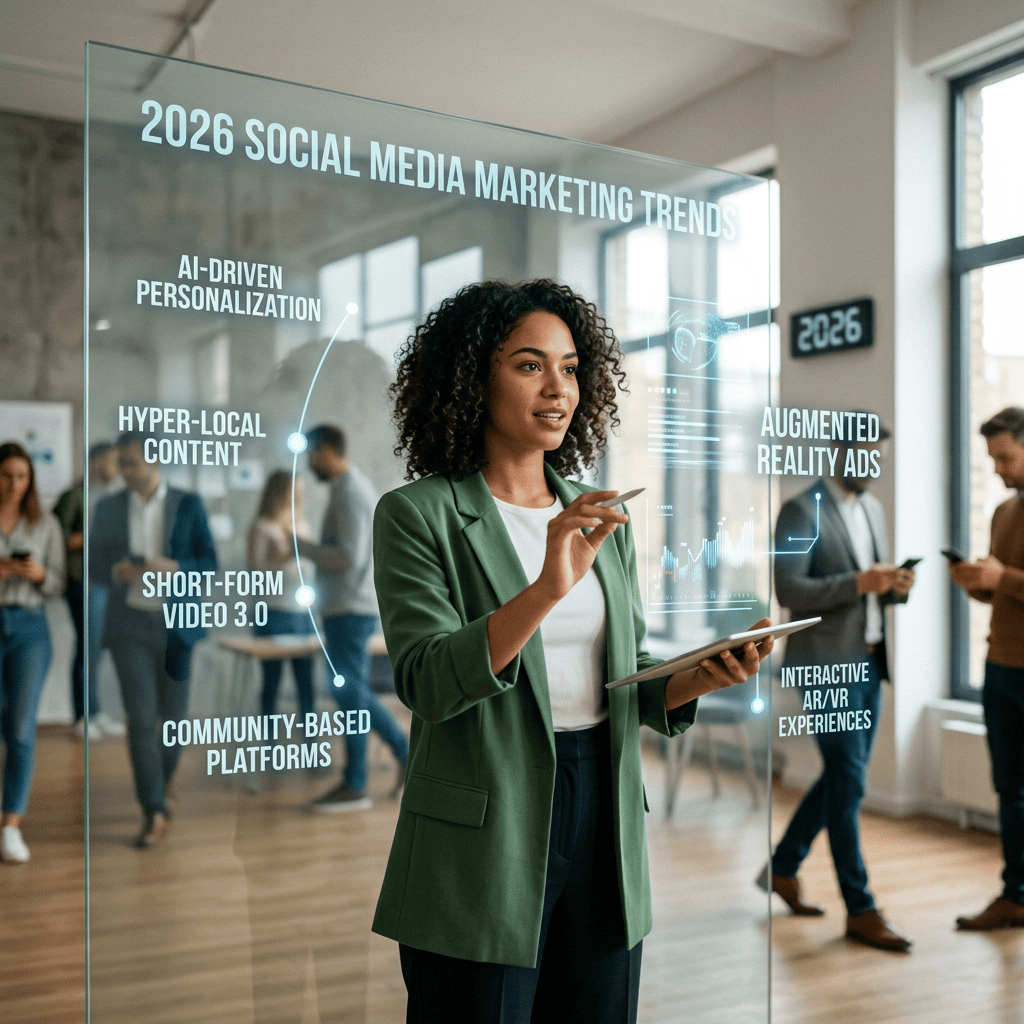
  • 2026 SOCIAL MEDIA MARKETING TRENDS

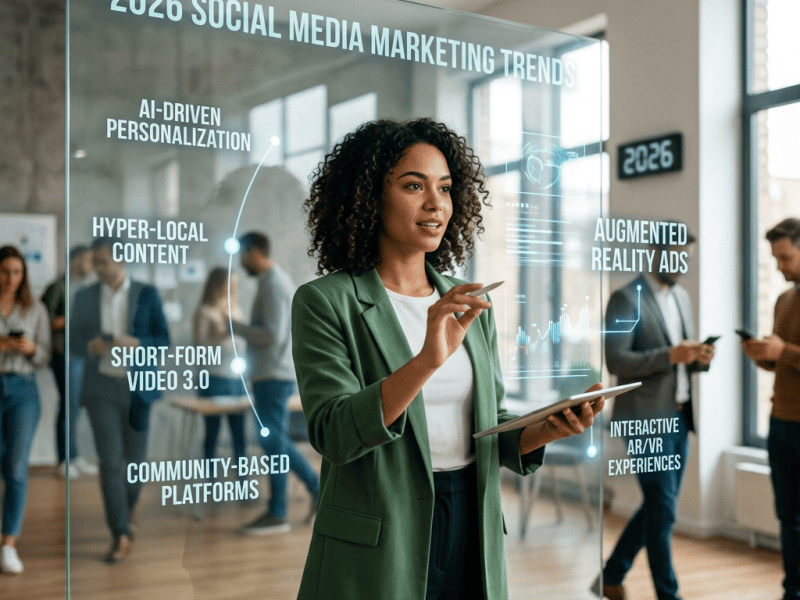
    2026 SOCIAL MEDIA MARKETING TRENDS

    This year is all about AI content creation tools and if you’ve felt like your feed, your engagement, and your entire content calendar got rewritten overnight, you’re not imagining it. A recent trend breakdown making the rounds on social platforms put it plainly, marketing is changing and the brands still leaning on 2023 playbooks are quietly losing ground.

    Below, I’ve pulled together the most useful social media marketing trends 2026 insights from that discussion, broken into practical, no-fluff takeaways for anyone trying to grow their brand online this year.

    1. Algorithm Skepticism Is Now the Default

    The first shift is less about a platform update and more about a mindset change. Audiences are increasingly aware of how the feed decides what they see, and that awareness is breeding quiet distrust. People no longer assume a viral post equals a trustworthy one — they know algorithm changes can inflate reach for reasons that have nothing to do with quality or honesty.

    For brands, this means visibility alone isn’t the win it used to be. A post can rack up impressions and still fail to build a shred of credibility if the audience senses it’s chasing the algorithm instead of serving them. The practical takeaway: optimize for a genuine reaction first, and let reach follow. Judge your content by replies and saves, not just views.
    2. AI Content Creation Tools Are Standard — But Sloppy Prompts Still Show

    Nobody’s debating whether to use AI in the content pipeline anymore as it’s simply part of the process. The bigger question is how to brief these tools properly. The video’s biggest practical nugget was this: treat your AI assistant like a specific, well-informed collaborator, not a vague vending machine.

    That means giving it real criteria, tone of voice, audience demographics, the specific outcome you want, examples of past posts that worked. Vague prompts return vague, generic output that reads like everyone else’s AI-generated caption.

    AI content creation tools that let you lock in brand voice and formatting rules, briefed with real specifics, produce results that still sound like you.

    A few things worth testing this quarter:

    • Feed your AI tool three of your best-performing captions before asking for new ones, so it has a real reference point.
    • Ask for multiple tonal variations of the same post, then pick the one that sounds most human.
    • Use AI for the first draft and speed, but keep a human doing the final edit — audiences can tell the difference, and they reward it.

    3. Subscription and Gated Content Models Are Growing

    Another notable shift is with more creators and brands are experimenting with subscription-driven content, where a portion of the value — deeper tutorials, early access, unfiltered behind-the-scenes footage — sits behind a paywall or membership tier.

    This isn’t about abandoning free content; it’s about layering it. Free posts build the audience, gated content rewards the most engaged segment and creates a steadier revenue stream that doesn’t rise and fall with algorithm mood swings.

    If you’re weighing a subscription based content model, start small. One exclusive monthly drop, a private community thread, or early access to a resource your best customers already ask for.
    4. Behind-the-Scenes and Community-First Storytelling Wins Trust

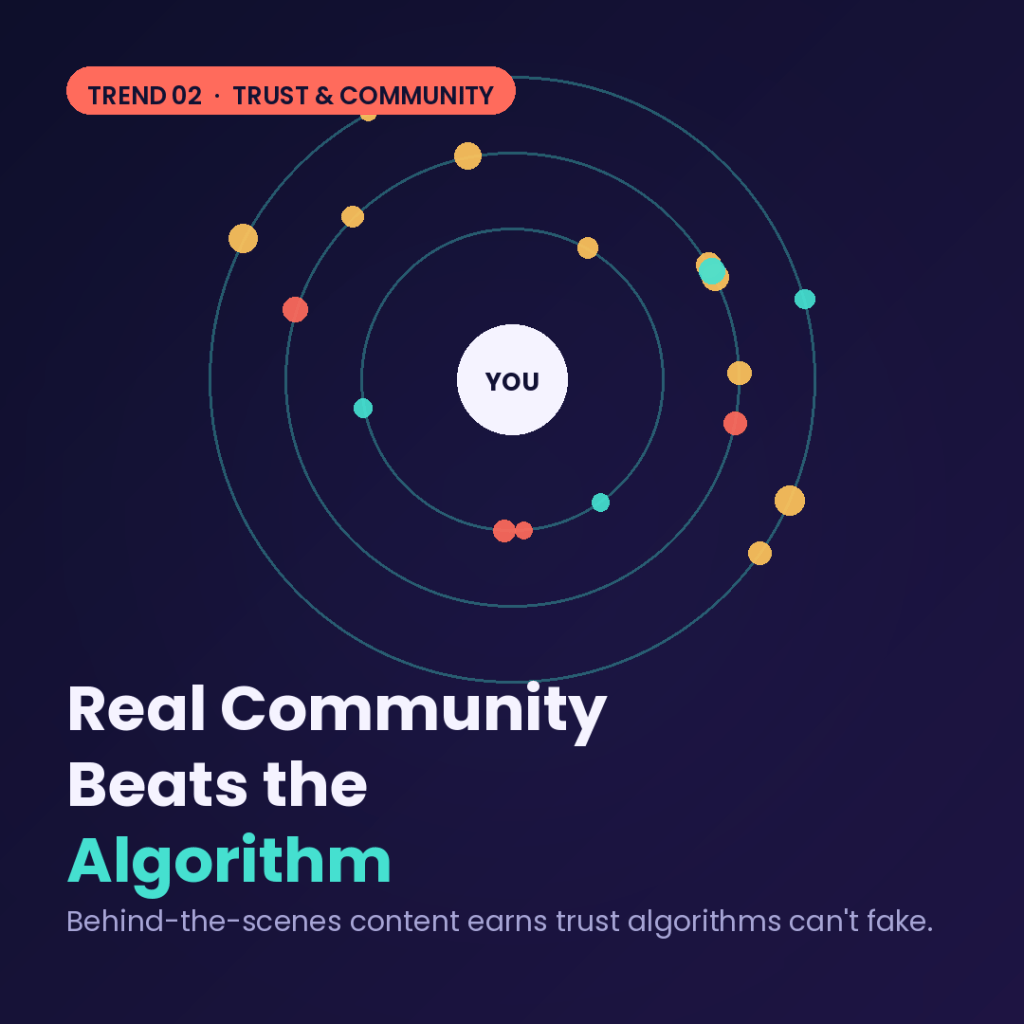
    This might be the most important trend of the bunch. As polished, ad-like content becomes easier to mass-produce with AI, the content that actually stands out is the unpolished kind, a real process, a real mistake, a real person explaining a decision.

    Sharing stories from your own community, not just your own brand voice, was called out specifically as a way to build a behind-the-scenes content strategy that people genuinely stick around for.

    Practically, this looks like:

    • Documenting your actual process instead of only showing the finished product.
    • Featuring real customers or community members instead of stock-style testimonials.
    • Being upfront when something didn’t work, rather than curating only the wins.

    Audiences are getting sharper at spotting manufactured authenticity, so this only works if it’s true — but when it is, it consistently outperforms glossier content.

    5. Real-Time, Conversation-Led Platforms Are Reshaping Discussion

    Text-first, real-time platforms are becoming a genuine hotbed for trending conversation — which is a double-edged sword. On one hand, jumping into real-time trending topics on Threads-style platforms can put a brand directly inside a live conversation, which is powerful for visibility and relevance.

    On the other, that same real-time, unfiltered nature makes these spaces prone to polarization and fast-moving controversy.

    The advice here is balance: show up, participate genuinely, and have an actual point of view, but know when a trending topic isn’t worth the brand risk of wading in.

    6. Strategic Partnerships Are Replacing One-Off Collaborations

    Finally, the video pointed to a move away from single, transactional influencer posts and toward longer, more integrated partnerships — creators and brands building something together over months, not one sponsored post at a time.

    This approach compounds trust instead of resetting it with every new face and it tends to read as far more credible to an audience that’s grown wary of obvious one-off ads.

    Putting It Together: A Quick Action Checklist

    Using AI thoughtfully, building trust through real stories, and rethinking how you approach algorithms all point to the same underlying idea: audiences in 2026 reward brands that feel specific, honest, and consistently present — not just algorithmically lucky. A few starting moves:

    • Audit your last 10 posts — are you optimizing for the feed or for the person reading?
    • Rewrite one AI-assisted post this week using detailed, brand-specific prompts instead of generic ones.
    • Plan one behind-the-scenes piece of content that shows your actual process.
    • Test a small gated or exclusive offer for your most loyal followers.
    • Pick one real-time platform and commit to showing up consistently, not just opportunistically.

    None of this requires a bigger budget — just a sharper, more intentional approach. The brands that treat these shifts as a genuine strategy reset, rather than a checklist to skim past, are the ones that will still be growing steadily by the time next year’s trends roll around.

    Got a trend you think we missed? Drop it in the comments — TechLatestInsights covers the tools and strategy shifts that actually move the needle.

    Leave a Reply

    Your email address will not be published. Required fields are marked *

    Rating: 5 out of 5.

  • The Future Is Now: Key Technology Developments Shaping 2025 and Beyond🚀

    The Future Is Now: Key Technology Developments Shaping 2025 and Beyond🚀

    1. Agentic AI: Beyond Automation 🌐

    Artificial intelligence is evolving from reactive systems to AI tools that can proactively make decisions, learn independently, and collaborate with humans. This shift is revolutionizing:

    • Customer service through intelligent chatbots and virtual assistants
    • Healthcare diagnostics with predictive modeling
    • Financial planning via autonomous portfolio management

    For entrepreneurs, this opens up best ideas for businesses in AI-driven consulting, personalized wellness platforms and smart retail.

    2. Advanced Connectivity & 6G Foundations 📶

    While 5G is still rolling out globally, 6G research is already underway. Expect:

    • Ultra-low latency for real-time applications like remote surgery and autonomous vehicles
    • Massive IoT integration for smart cities and homes
    • Edge computing to reduce cloud dependency and enhance data privacy

    These developments are fertile ground for ideas for small businesses in smart home installation, IoT device servicing, and localized data analytics.

    3. Immersive Reality: AR, VR & Mixed Reality 🧠

    Immersive technologies are no longer niche; they’re mainstream. In 2025:

    • AR overlays will enhance retail, education, and tourism
    • VR training modules will redefine employee onboarding and skill development
    • Mixed reality will power collaborative design and remote workspaces

    This creates business ideas in virtual storefronts, immersive learning platforms, and MR-based architectural visualization.

    4. Digital Trust & Cybersecurity Innovation🔐

    With data breaches and AI-generated misinformation on the rise, digital trust is paramount. Emerging solutions include:

    • Decentralized identity systems
    • Zero-trust architectures
    • AI-powered threat detection

    Cybersecurity startups and franchise business models focused on digital hygiene, compliance, and secure infrastructure will thrive.

    5. Quantum Technologies: The Next Frontier ⚛️

    Quantum computing is moving from labs to limited commercial use. In 2025, expect:

    • Quantum simulations for drug discovery and climate modeling
    • Quantum encryption for ultra-secure communication
    • Quantum AI for solving complex optimization problems

    These breakthroughs offer new ideas for business in quantum-as-a-service platforms, secure data vaults, and quantum education hubs.

    6. Robotics & Automation in Everyday Life 🤖

    Robots are no longer confined to factories. In 2025:

    • Service robots will assist in hospitality, elder care, and logistics
    • Collaborative robots (cobots) will work alongside humans in SMEs
    • AI-driven drones will handle deliveries, surveillance, and agriculture

    This opens good ideas for business in robot leasing, drone fleet management, and automation consulting.

    7. Bioengineering & Personalized Health🧬

    The convergence of tech and biology is reshaping healthcare:

    • CRISPR advancements for gene editing
    • Wearable biosensors for real-time health tracking
    • AI-driven diagnostics for personalized treatment plans

    Entrepreneurs can explore business ideas in health-tech wearables, genetic counseling services, and AI-powered wellness apps.

    8. Space Tech & Satellite Ecosystems🌌

    Space is becoming a commercial playground:

    • Low Earth Orbit (LEO) satellites for global internet coverage
    • Space tourism and asteroid mining research
    • Satellite-based climate monitoring

    This inspires new ideas for business in satellite data analytics, space education, and eco-monitoring platforms.

    9. Sustainable Tech & Circular Innovation🧩

    Sustainability is no longer optional. In 2025:

    • Green cloud computing and energy-efficient data centers
    • Circular economy platforms for reuse and recycling
    • Carbon capture technologies integrated with AI

    These trends support best ideas for business in eco-packaging, green logistics, and sustainability consulting.

    10. AI-Augmented Decision Making for Entrepreneurs 📊

    AI is becoming a strategic partner for business owners:

    • Predictive analytics for market trends
    • AI-generated business plans and financial models
    • Automated customer segmentation for targeted marketing

    This empowers franchise business owners and startups to scale faster, smarter, and more efficiently.

    🔚 Summation: Tech as a Launchpad for Business Innovation

    From agentic AI to quantum computing, the technologies shaping 2025 are not just futuristic—they’re actionable. They offer a rich playground for business ideas, whether you’re launching a franchise business, exploring ideas for small business, or seeking the best ideas for business in emerging sectors.

    Ready to turn these trends into your next venture?

    Explore more insights at TechLatestInsights.com and subscribe for weekly updates on good ideas for business, tech-driven entrepreneurship, and strategic innovation.

    Let’s build the future one idea at a time.

    Rating: 5 out of 5.

    Leave a Reply

    Your email address will not be published. Required fields are marked *

    2026 SOCIAL MEDIA MARKETING TRENDS

    This year is all about AI content creation tools and if you’ve felt like your feed, your engagement, and your entire content calendar got rewritten overnight, you’re not imagining it. A recent trend breakdown making the rounds on social platforms put it plainly, marketing is changing and the brands still leaning on 2023 playbooks are…

    Enhancing SEO with AI-Driven Strategies

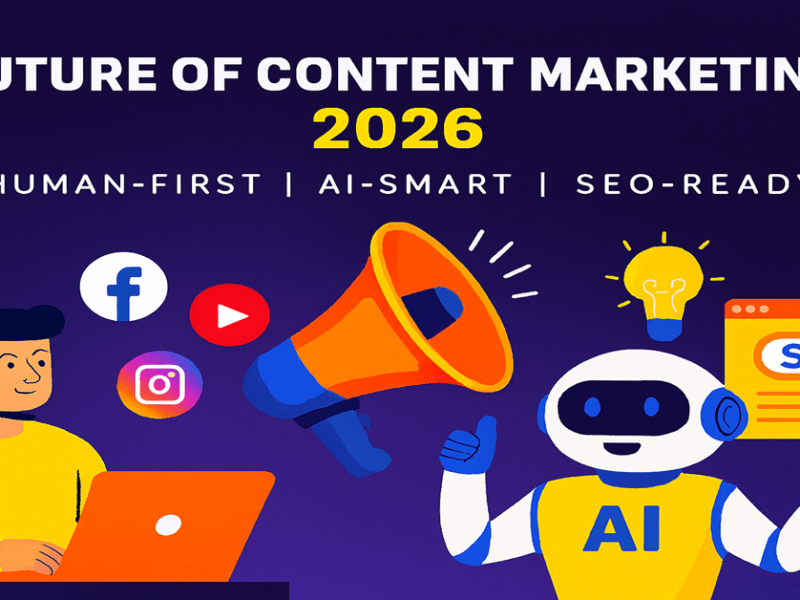
    Today, content marketing is no longer limited to blog writing or social media posting because AI tools are reshaping the entire digital ecosystem. Artificial Intelligence is transforming the way brands create, publish, and distribute online content. Modern businesses now use AI-driven platforms to improve customer targeting, automate campaigns, and analyze audience behavior in real time.…

  • How to Build a Data-Driven Campaign Strategy for Telecom and HR Marketing in 2026

    How to Build a Data-Driven Campaign Strategy for Telecom and HR Marketing in 2026

    Here in this blog, I seek to explore ways to build scalable, insight-led campaigns that drive customer engagement and employee alignment and achieve business growth. We’ll take a deep dive into some tools, frameworks, and also real-world examples to help us optimize our strategy for high-intent audiences.

    Why Data-Driven Campaigns Matter in Telecom and HR

    The convergence of telecom marketing and HR communications is reshaping how organizations engage with both customers and employees. In 2026, the most successful brands will be those that:

    • Use predictive analytics for campaign targeting
    • Automate customer communication workflows
    • Align internal messaging with external brand narratives
    • Track KPI benchmarks across regions and teams

    Step 1: Define Campaign Objectives and Audience Segments

    Start by identifying your primary campaign goals—whether it’s increasing prepaid revenue, improving employee retention, or launching a new product. Then, segment your audience based on:

    • Behavioral data (usage patterns, engagement history)

    • Demographic data (location, job role, age)

    • Psychographic data (values, motivations, pain points)

    Use tools like Google Analytics, LinkedIn Campaign Manager, and CRM dashboards to refine your segmentation.

    Step 2: Build a Campaign Calendar and Messaging Framework

    Consistency is key. Develop a campaign calendar that outlines:

    • Frequency of communication

    • Channel mix (email, SMS, social media, intranet)

    • Messaging themes and tone

    For HR campaigns, align with organizational milestones—appraisals, onboarding, and DEI initiatives. For telecom, sync with product launches, data pack promotions, and seasonal offers.

    Step 3: Automate and Personalize Communication

    Use marketing automation platforms like HubSpot, Zoho Campaigns, or Salesforce Marketing Cloud to:

    • Trigger personalized messages based on user behavior

    • Manage scripts and templates for one-to-one outreach

    • Track open rates, CTRs, and conversion metrics

    In HR, automation helps streamline employee onboarding, pulse surveys, and learning & development campaigns.

    Step 4: Analyze Campaign Performance and Benchmark KPIs

    Set up dashboards to monitor:

    • Campaign efficacy (reach, engagement, conversion)
    • Governance of pilots and broad-basing
    • Replication of best practices across circles or departments

    Use A/B testing, heatmaps, and sentiment analysis to refine your approach. Benchmark against industry standards and internal historical data.

    Step 5: Optimize for SEO and Discoverability

    Every campaign should feed into your content marketing ecosystem. Optimize blog posts, landing pages, and social media content with:

    • High-intent keywords

    • Meta descriptions and alt tags

    • Internal linking to pillar pages

    For example, a telecom campaign promoting a new data pack can link to a blog titled “Best prepaid data plans for remote workers in India”. An HR campaign about DEI can link to “How to build inclusive onboarding workflows in 2026”.

    Real-World Example: Vodafone Idea’s Prepaid Campaign Strategy

    Vodafone Idea’s approach to prepaid campaign execution offers a blueprint for success:

    • Error-free campaign deployment across circles
    • Governance of pilots with data-backed decisions
    • Automated reporting for efficiency and accuracy
    • Ownership of customer communication scripts and calendars

    This model can be adapted for HR teams managing employee lifecycle campaigns, ensuring consistency and impact.

    Conclusion: Scale with Strategy and Empathy

    Whether you’re in telecom or HR, the future of campaign success lies in data, automation, and emotional resonance. Build systems that are:

    • Scalable across geographies and teams
    • Responsive to real-time feedback
    • Rooted in authentic storytelling and brand values

    Click below to check out more in my Video Editing Skills.

    Rating: 5 out of 5.
  • Top AI Productivity Tools for Remote Work in 2025 To Work Smarter, Not Harder

    Top AI Productivity Tools for Remote Work in 2025 To Work Smarter, Not Harder

    Ever since I started working back then in 2013 I have been fully immersed in the digital revolution and found that the top AI productivity tools for remote work in 2025 are not just “nice-to-have” additions, they’re the reason I can get more done with less burnout.

    These tools have become my trusted digital companions, saving me time, automating mundane tasks, and helping me prioritize deep work.

    In the past year, many developments have taken shape, resulting in the market being bombarded with dozens of AI apps and platforms. These have laid a strong impact by, by the way, genuinely transforming the way we work. Here in this post, I’m sharing my personal take on the best of the best, tools tailored especially for the professional like you in 2025 and beyond.

    1. Notion AI: This Is A Powerhouse For Knowledge Workers

    The tool, Notion AI for content creation and project planning was one of the first tools I had tried to use in my workflow. Irrespective of the need for drafting key blog outlines, creating knowledge wikis, or simply generating the task specific checklists, this tool, Notion AI will help you to do it with ease. This has its core ability in generating context-relevant text suggestions that has saved many hours each week. Adding to this is its ability to even spark some creative ideas that you might not have thought of yourself.

    2. Grammarly: Your Virtual Communication Assistant

    Clear and polished communication is a must in remote work setups. Grammarly AI for professional writing improvement goes beyond correcting typos—it helps you fine-tune tone, intent, and clarity. Whether I’m composing client emails or publishing blog content, Grammarly makes my words feel like they’ve gone through a professional editor

    3. Otter.ai: Your AI Meeting Memory

    I work with clients across time zones, and AI tools for real-time meeting transcription and summarization like Otter.ai have been lifesavers. This tool transcribes meetings live, tags speakers and even gives you summaries with key points. It frees up my attention to actually participate in conversations rather than worrying about missing details.

    4. Trello + Butler: Automate Your Projects Like a Pro

    If you’re into kanban boards and organized visual planning, then you’ll love AI-powered task automation in Trello for remote teams. Butler, Trello’s AI-based automation tool, lets you automate card moves, trigger reminders, and set priority flags. Project management without Trello feels chaotic now.

    5. Clockwise: Calendar Intelligence That Cares

    AI-based smart calendar assistants for remote professionals are increasingly necessary, and Clockwise tops the list. It automatically blocks out focus time, reschedules meetings for low-impact hours and ensures I get enough breathing room. With it, my weeks feel intentionally structured instead of endlessly reactive.

    6. Motion: AI Meets Timeboxing

    I recently started using Motion, which integrates AI productivity apps that support timeboxing and daily planning. It uses AI to analyze your task list, calendar, and energy levels, then suggests a time-optimized schedule. Honestly, it’s like having a digital chief of staff.

    7. Superhuman: Email on AI Steroids

    Managing your inbox doesn’t have to be a chore. Superhuman email AI tools for workflow optimization help me stay at inbox zero without stress. From auto-sorting emails to preemptive reply suggestions, it’s the fastest email experience I’ve ever used and it saves me at least an hour a day.

    8. Fireflies.ai: Smarter Meeting Notes

    Similar to Otter, Fireflies brings AI meeting assistants for capturing insights and action items into your video calls. I use it for internal team calls and strategy sessions—it tags follow-ups, notes deadlines, and delivers accurate transcriptions almost instantly.

    9. ClickUp AI: All-in-One Productivity Central

    ClickUp has become my go-to for full-scale project management. And since they launched ClickUp’s AI tools for managing projects and remote workflows, I rarely need to jump across different apps. The AI helps suggest tasks, generate documents, and align deadlines seamlessly.

    We all know that remote work can blur the lines between life and work. That’s where AI scheduling tools to improve work-life balance for remote workers like Reclaim come in. It syncs with your work and personal calendars, auto-reschedules meetings based on personal needs, and reminds you to take breaks. It’s not just about productivity—it’s about sustainability.

    If you’re working remotely in 2025 and not tapping into these tools, you’re leaving serious productivity gains on the table. Whether it’s automating workflows, managing emails, optimizing your time, or simply reducing mental load—these tools are making a measurable difference in my daily performance.

    Start small, integrate one or two, and watch how your workflow transforms.

    Leave a Reply

    Your email address will not be published. Required fields are marked *

  • Ways To Boost Productivity in 2025 By Transforming Workflows With These Top AI Tools

    Ways To Boost Productivity in 2025 By Transforming Workflows With These Top AI Tools

    Introduction

    We all are living in a world flooded with AI-powered productivity tools today. That’s progressing in a fast-paced digital landscape, staying productive is more challenging than ever. With the rise of remote work and the constant influx of information, professionals are seeking innovative solutions to streamline their tasks. Enter these tools, which are revolutionizing the way we work by automating routine tasks, enhancing decision-making, and fostering collaboration.

    ai-productivity-tools

    The Rise of AI in Productivity

    Artificial intelligence (AI) has transitioned from a futuristic concept to an integral part of our daily workflows. From managing emails to scheduling meetings, the market is now flooded with the best AI tools for remote work designed to handle the Ad-hock and repetitive tasks. They further allow professionals to focus on more strategic activities.

    Top AI Tools Enhancing Productivity

    • Grammarly: As we take a step beyond the grammar checks, Grammarly’s AI provides other features like tone suggestions and clarity improvements, ensuring effective communication in the content.
    • Otter.ai: This is another efficient tool that helps to transcribe meetings in real-time. Thus, offering searchable transcripts and highlights, which is invaluable for team collaborations in a remote setting.
    • Trello with Butler: This is one tool that is generating many fans. Trello’s automation tool, Butler, uses artificial intelligence to automate routine tasks within boards. A few like moving cards or sending reminders, enhance project management efficiency.
    • Clockwise: This is an AI-powered calendar assistant that optimises your schedule. Leveraging moving meetings to create blocks of uninterrupted focus time.

    What All Are The Benefits of Integrating AI Tools

    • Time Savings: Automating routine tasks reduces manual effort, freeing up time for critical thinking and creativity.
    • Enhanced Accuracy: AI tools minimise human errors, ensuring higher quality outputs.
    • Improved Collaboration: Real-time transcriptions and shared AI insights foster better team communication. These AI tools for team collaboration are poised to gain more traction in the coming months.
    • Personalised Workflows: AI adapts to individual work habits, offering tailored suggestions to boost efficiency.

    Which All Are The Major Challenges and Points Of Consideration

    While AI tools offer numerous advantages, it’s essential to address potential challenges:

    • Data Privacy: To ensure that the tools comply with data protection regulations to safeguard sensitive information.
    • Over-reliance: The innate dependence on AI might hinder the development of critical skills. Thus it becomes even more crucial to strike a balance between automation and human input.

    Cost Implications: A few AI tools come with subscription fees, so it’s vital to assess the return on investment.

    Future Outlook

    The integration of AI in productivity tools is just like the tip of the iceberg. As with the advancements in machine learning and natural language processing, prospects are to anticipate even more sophisticated tools that understand context, predict needs, and offer proactive solutions.

    Summary

    Embracing AI-powered productivity tools is no longer a luxury but a necessity in the modern workspace. By automating mundane tasks, enhancing accuracy, and fostering collaboration, these tools empower professionals to achieve more in less time. As technology continues to evolve, staying updated with the latest AI innovations will be key to maintaining a competitive edge.

    Rating: 5 out of 5.

    Leave a Reply

    Your email address will not be published. Required fields are marked *

  • 2025 Social Media Marketing Trends You Can’t Miss

    Which are the key trends to look out for?

    How to prepare for the future?

    The above are some prominent questions to answer to achieve success. A clear plan will help guide you ahead with achieving success in the highly competitive online marketing domain.

    This domain, off late, has been bombarded with updates at a rapid rate. There has been an inflow of new tricks, ways to achieve success, and go-to tricks like never before. So, it is very likely that new trends will emerge in the year 2025. New tricks will also do the rounds during this time.

    Which are the key trends to look out for?

    How to prepare for the future?

    The above are some prominent questions to answer to achieve success. A clear plan will help guide you ahead with achieving success in the highly competitive online marketing domain.

    In the evolving world of social media marketing, businesses face exciting possibilities. They also face fresh challenges. Companies must navigate emerging trends. As we approach 2025, technological advancements like AI are leading the change. Immersive AR/VR experiences and advanced data analytics also contribute to redefining brand engagement with their targets. Social media marketers should understand these trends. By leveraging them, they can unlock powerful ways to connect with audiences. This approach helps grow brand loyalty.

    Here in this post, we’ll explore 5 key technology trends predicted to shape the future of social media marketing. We shall take a deep dive into social media content ideas for small businesses. These ideas will boost engagement. They range from seasonal promotions to health and wellness brands. Plus, we’ll discuss practical tips on building a monthly social media content calendar for consistent posting.

    1. Artificial Intelligence and Personalization

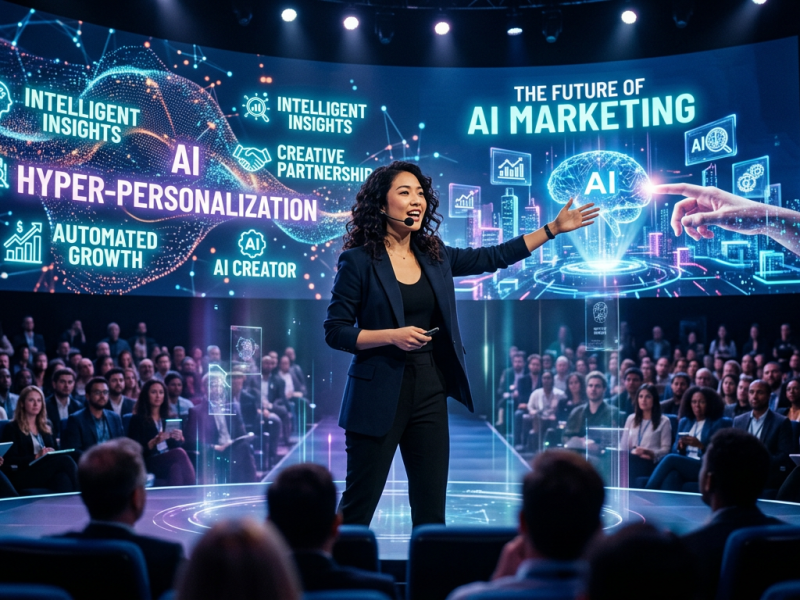
    AI has already transformed marketing through predictive analytics, chatbots, and personalised content. By 2025, AI’s role in social media marketing will grow stronger. This development will make it easier for brands to target users with high precision. For example, AI-driven tools can analyse user behaviour. This delivers content that feels highly personalised. It helps brands appear more human and connected to their audience’s needs.

    Small businesses can benefit greatly from AI-powered social media tools, particularly when developing social media content ideas for small businesses. AI platforms like HubSpot or Buffer offer insights into customer preferences. They also analyze the best times to post. These platforms can save time and improve engagement with minimal resources. By implementing these insights, small businesses can deliver content that resonates and boosts brand visibility.

    2. Augmented Reality (AR) and Virtual Reality (VR) for Immersive Experiences

    AR and VR are set to offer immersive experiences that draw users in like never before. For example, beauty brands already use AR to let customers “try on” products virtually. Real estate companies offer VR tours of properties. This trend is expected to grow by 2025, enabling marketers to create immersive storytelling and interactive experiences that captivate audiences.

    Consider leveraging creative social media content ideas to boost engagement using AR filters on platforms like Instagram and Snapchat. A wellness brand could create an AR experience. Users would visualize themselves in a serene environment. This promotes relaxation or meditation products. These immersive experiences don’t just engage users—they make them feel personally connected to the brand, building loyalty.

    3. Enhanced Data Privacy and Transparency

    With consumers becoming more privacy-conscious, data transparency and ethical use of data are crucial for social media marketers. In the coming years, brands will need to communicate openly about how they handle user data. This will foster trust and confidence among their followers. Marketers will also need to adhere to updated data regulations, ensuring ethical and transparent interactions.

    A best practice here is to integrate privacy-friendly marketing strategies into social media content. If your brand is planning best social media content ideas for seasonal promotions, it can incorporate transparency. Offer opt-in options for personalized ads and promotions. For example, a brand promotes a winter sale. Customers can opt into specific types of content they wish to get. This approach ensures a level of trust and respect for their data privacy.

    4. The Rise of Health and Wellness in Social Media

    Health and wellness stay a significant focus across social platforms, with people increasingly seeking content that supports their well-being. From fitness and mental health tips to dietary advice, brands that offer valuable health-related content can attract engaged followers.

    For brands in this niche, social media content ideas can include daily wellness tips. They might also feature expert interviews. Additionally, brands can organize community challenges (like a 30-day fitness challenge). For instance, a fitness brand will post weekly workout routines or recipe ideas that followers can try at home. This content helps brands build themselves as trusted voices in wellness. It attracts followers who value their skill and authenticity.

    5. Building Consistent Content with a Monthly Social Media Calendar

    As social media becomes more competitive, maintaining a consistent posting schedule is essential for visibility. In 2025, brands are expected to take a more organized approach to social media content planning. A monthly content calendar helps marketers ensure that they post regularly, stay relevant, and cover diverse themes across their social channels.

    To build a consistent posting strategy, consider monthly social media content calendar ideas for consistent posting. A small business can set up a calendar with specific themes for each day. Mondays can feature motivational posts. Wednesdays can highlight products. Fridays can showcase customer stories or testimonials. By planning content in advance, brands can focus on creating high-quality posts. These posts engage and educate. Brands can also respond promptly to trending topics or events.

    Examples of Social Media Content Ideas for 2025

    To bring these trends to life, here are a few examples of how small businesses can use the latest technology trends in their social media marketing content:

    1. Using AI for Hyperpersonalization: A local coffee shop can use AI to track customer favorites and send personalized offers. For example, if a customer often orders a seasonal pumpkin spice latte, they often get tailored offers. These offers are sent during the fall season. This also ties into the best social media content ideas for seasonal promotions. It allows for prompt and targeted outreach.
    2. Augmented Reality for Engagement: An online clothing boutique will create an AR filter on Instagram. This filter allows customers to “try on” accessories or makeup. This not only increases engagement. It also gives customers a tangible sense of how products might look on them.
    3. Data Privacy and Trust Building: A small health brand provides clear details on how customer data is handled. They also offer the choice to opt into specific types of content. This includes access to exclusive health tips, product launches, or wellness events.
    4. Health-Focused Content: A wellness brand will post daily fitness or mental health tips on their social media. This aligns with social media content ideas for health and wellness brands. They also hold live sessions with wellness experts to engage with their followers directly.
    5. Consistency through Content Calendars: A beauty brand implement a monthly calendar where they showcase different product categories each week. Week 1 focus on skincare, week 2 on makeup tips, and so on. This structured approach ensures that followers get varied content consistently, keeping them engaged over time.

    Conclusion

    The future of social media marketing is intertwined with technological advancements that promise greater personalization, engagement, and transparency. Small businesses can thrive in this evolving landscape by adopting creative social media content ideas. These ideas should resonate with their audience and align with the latest trends. Trends range from AI-powered personalization to AR-driven experiences.

    By 2025, marketers who stay ahead of these trends will be well-positioned. They need to build strategic and consistent content plans. This will allow them to create meaningful connections with their audience. Embracing these changes and applying them to their social media marketing domain can empower brands to foster lasting relationships and build a loyal customer base.

    References:

    From the blog

    Stay up to date with the latest from our blog.